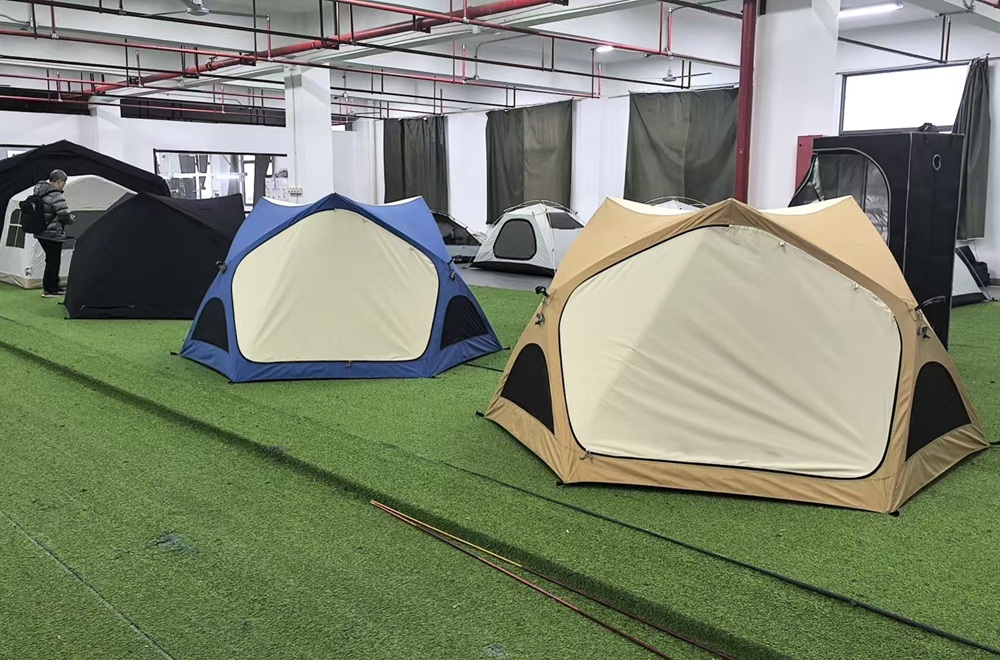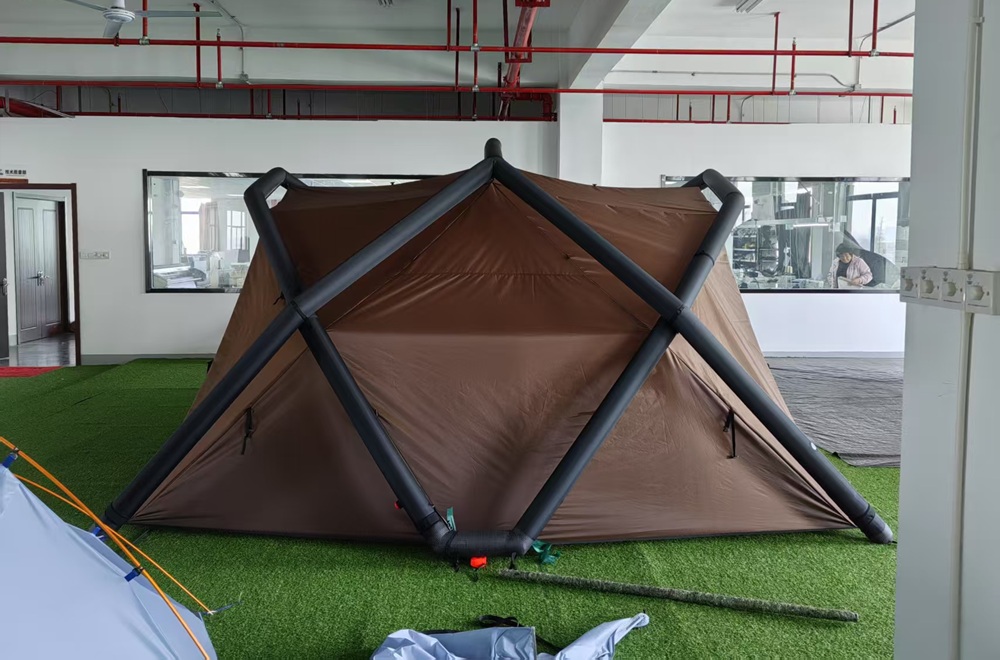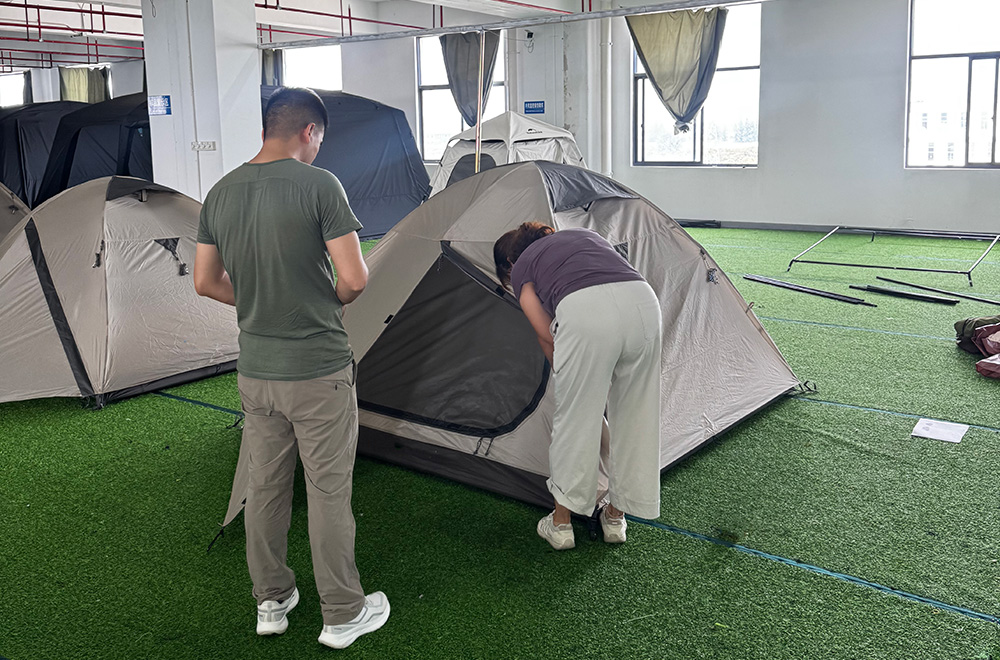
Quick Answer
Custom tent development timelines vary depending on product complexity, materials, engineering requirements, and communication efficiency. Simple samples may take several days, while complex projects can require several weeks. After sample approval, mass production usually requires around 45–60 days depending on product type and production requirements.
Introduction
Developing a custom tent is an exciting opportunity for outdoor brands, but it is also a process that requires careful planning.
Many brands have a clear product idea:
- A unique tent design;
- A specific customer group;
- A target market position.
However, turning an idea into a production-ready tent requires more than simply sending a picture to a factory.
A professional OEM development process involves multiple stages, including:
- Requirement discussion;
- Engineering evaluation;
- Pattern development;
- Material preparation;
- Sample production;
- Testing and modification;
- Final approval;
- Mass production.
Understanding this custom tent development process helps outdoor brands set realistic expectations and avoid unnecessary delays.
Why Custom Tent Development Takes More Than Just Production Time
A common misunderstanding among first-time buyers is:
“If the design is ready, why can’t the factory produce it immediately?”
The reason is that custom tent development is not only a manufacturing process.
Before production begins, manufacturers need to confirm whether the product concept can be successfully transformed into a practical product.
This requires evaluating:
- Tent structure;
- Dimensions;
- Material selection;
- Production feasibility;
- Target cost;
- Quality requirements.
A professional manufacturer does not simply reproduce an idea.
Instead, they help connect: Brand concept with Manufacturing reality.
Custom Tent Development Requires Engineering Preparation
A custom tent project usually starts with understanding the customer’s requirements.
The manufacturer needs to understand:
- What environment will the tent be used in?
- Who is the target customer?
- What functions are required?
- What materials are expected?
- What is the target price range?
For new outdoor brands, these details are sometimes unclear.
For example, a customer may provide only:
- A product image;
- A general concept.
However, without information such as:
- Size;
- Structure;
- Material requirements;
- Functional expectations;
it is difficult to accurately evaluate production requirements.
A professional OEM partner helps customers transform ideas into clear production specifications.
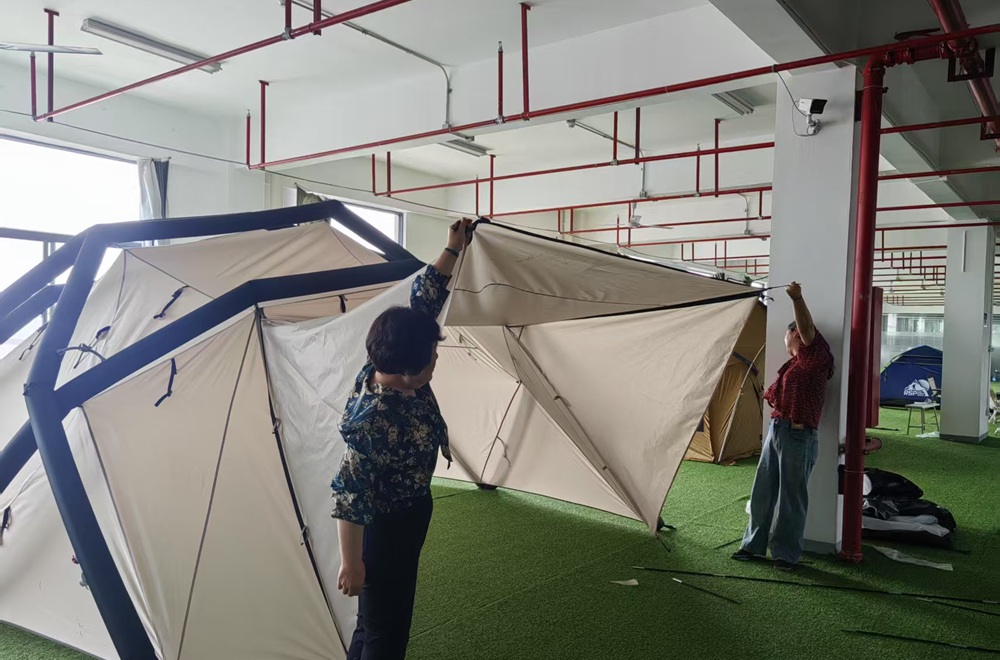
A Sample Is a Development Tool, Not Just a Product Copy
Another misunderstanding is that a sample is simply a smaller version of the final product.
In reality, tent samples are an important development stage.
During sample production, manufacturers and brands evaluate:
- Appearance;
- Structure;
- Function;
- Material performance;
- Production feasibility.
The purpose of sampling is not only to create a physical product.
It is to identify possible improvements before mass production begins.
Based on NastoCamp’s experience, sample approval is often a collaborative process.
Some projects can be approved immediately, while others require modifications after customer review.
Mass Production Requires Preparation After Sample Approval
Even after a sample is approved, the project is not immediately ready for shipment.
Before mass production, manufacturers still need to complete:
- Material purchasing;
- Incoming material inspection;
- Production scheduling;
- Cutting;
- Printing;
- Sewing;
- Packaging;
- Final inspection.
This is why custom tent development should be viewed as a complete project cycle rather than a single production step.
Understanding the Development Timeline Before Starting
The actual timeline depends on many factors:
- Product complexity;
- Material requirements;
- Design changes;
- Customer feedback speed;
- Factory engineering resources.
A simple tent modification and a completely new large-scale inflatable structure may require very different development periods.
According to NastoCamp’s OEM experience, development time should generally be calculated after:
- Project requirements are confirmed;
- Sample development begins;
- Necessary sample fees are confirmed.
It should not simply start from the first inquiry.
Typical Custom Tent Development Timeline
There is no single fixed timeline for custom tent development.
The development period depends on:
- Product complexity;
- Material requirements;
- Design changes;
- Customer feedback speed;
- Engineering workload;
- Production preparation.
For outdoor brands, understanding the overall timeline helps with:
- Product launch planning;
- Marketing preparation;
- Inventory planning;
- Supplier coordination.
Custom Tent Development Timeline Overview
A typical OEM tent development project can be divided into the following stages:
| Development Stage | Typical Timeline |
|---|---|
| Requirement discussion and quotation confirmation | Depends on project complexity |
| Pattern development and sample preparation | 1–30 days |
| Sample review and modification | Depends on customer feedback |
| Material preparation after approval | Depends on material availability |
| Mass production preparation | After final confirmation |
| Standard tent production | Around 45 days |
| Complex tent production | Around 60 days |
| Large structure tent production | Around 60–90 days |
Important Note:
The timeline above is a general reference.
A simple product modification and a completely new tent structure may require very different development periods.
For example:
- A standard tent with an existing pattern may move quickly;
- A large inflatable tent with special materials and structural requirements may require significantly more preparation.
Therefore, outdoor brands should evaluate the complete project requirements rather than only asking:
“How many days does it take to make a tent?”
The OEM Tent Development Process Step by Step
Stage 1: Requirement Confirmation and Quotation
The first stage of a custom tent project is understanding the product requirements.
During this stage, the manufacturer and customer usually confirm:
- Product concept;
- Tent type;
- Dimensions;
- Materials;
- Functional requirements;
- Target cost;
- Expected quantity.
A complete understanding of the requirements helps prevent problems later in development.
For example, if a customer only provides a product image but does not confirm:
- Size;
- Fabric;
- Structure;
- Intended use;
the manufacturer may not be able to accurately evaluate production requirements.
Why Early Communication Matters
Many development delays do not come from production itself.
They happen because important information is missing or changes happen too late.
Before development starts, brands should try to prepare:
- Product references;
- Technical drawings if available;
- Size requirements;
- Material expectations;
- Market requirements;
- Packaging requirements.
The clearer the initial information, the more efficiently the manufacturer can evaluate and develop the product.
Stage 2: Pattern Development and Sample Production
After requirements are confirmed, the manufacturer begins preparing the product structure and sample.
This stage usually includes:
- Pattern development;
- Material preparation;
- Cutting;
- Sewing;
- Sample assembly;
- Initial inspection.
According to NastoCamp’s OEM experience, sample development time varies significantly depending on product complexity.
Simple Samples
Typical timeline:
1–5 days
Examples:
- Existing product modification;
- Simple size adjustment;
- Minor design changes.
Standard Custom Samples
Typical timeline:
7–10 days
Examples:
- New customer requirements based on existing manufacturing capability;
- Normal custom specifications.
Complex Custom Samples
Typical timeline:
15–30 days
Examples:
- New structures;
- Multiple modifications;
- Special materials;
- More complicated construction.
Large Structure Samples
Typical timeline:
Around 1 month or longer
Examples:
- Large glamping structures;
- Special-size tents;
- Projects requiring customized components.
Stage 3: Sample Review and Modification
Tent samples and approval are one of the most important stages in custom tent development.
A sample is not only a confirmation of appearance.
It helps both sides verify:
- Product function;
- Structure;
- Materials;
- Manufacturing details.
Based on NastoCamp’s experience:
- Around 30% of first samples can be approved directly;
- Around 60% require one modification;
- Around 10% require two or more modifications.
This means that most OEM projects involve communication and adjustment before final approval.
Why Sample Modification Is Normal
Some buyers may think modifications indicate problems.
However, during product development, sample adjustment is often part of a professional process.
For example:
A customer may discover after seeing the physical sample that:
- A dimension needs adjustment;
- A structure can be improved;
- A material choice needs reconsideration.
Identifying these issues before mass production reduces larger risks later.
Stage 4: Material Preparation and Mass Production
After the final sample is approved, the project moves into production preparation.
The manufacturer will usually arrange the complete tent manufacturing process:
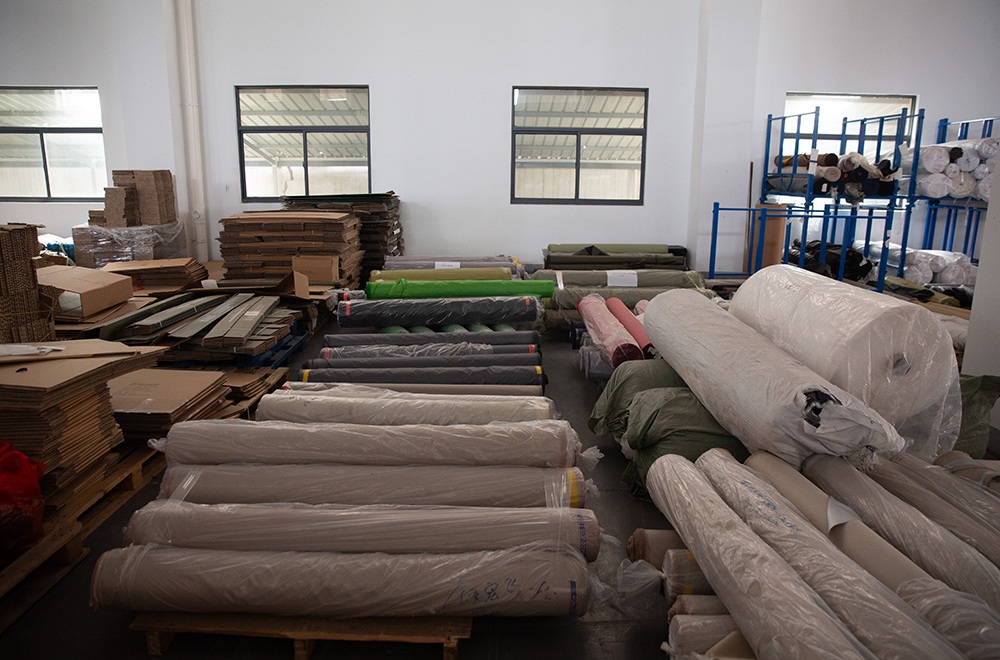
- Material purchasing;
- Incoming material inspection;
- Production scheduling;
- Cutting;
- Printing or logo processing;
- Sewing;
- Semi-finished and finished product inspection;
- Packaging;
- Shipment preparation.
For standard outdoor tents, mass production usually requires around:
45 days
For more complex products:
Around 60 days
For large structures:
60–90 days
The exact timeline depends on:
- Order quantity;
- Product complexity;
- Material availability;
- Production schedule.
Factors That Affect Custom Tent Development Time
Custom tent development timelines are influenced by many factors.
When two projects appear similar from the outside, their development periods may still be very different.
The reason is that every project has different requirements related to:
- Product structure;
- Materials;
- Manufacturing difficulty;
- Communication efficiency;
- Production preparation.
Understanding these factors helps outdoor brands plan projects more realistically.
Factor 1: Product Complexity and Structure Requirements
The complexity of the tent itself is one of the biggest factors affecting development time.
A simple tent modification may only require:
- Existing patterns;
- Minor adjustments;
- Limited sample changes.
However, a completely new tent design may require much more work, including:
- Structural evaluation;
- Pattern development;
- Trial production;
- Multiple adjustments.
Why Similar-Looking Products May Have Different Timelines
Two tents may look similar but require completely different development efforts.
Differences may come from:
- Internal structure;
- Material combinations;
- Functional requirements;
- Production methods.
For example:
A standard camping tent and a large inflatable tent may both be outdoor shelters, but their development requirements are very different.
Complex products require more coordination between:
- Engineering;
- Production;
- Material suppliers;
- Quality teams.
Factor 2: Material Customization Requirements
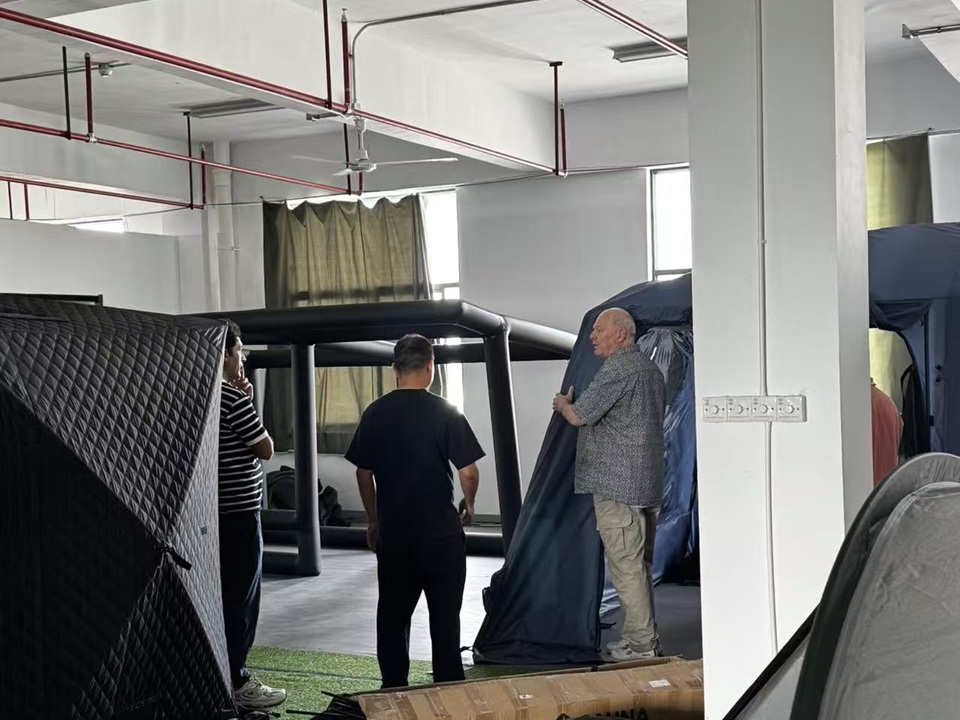
Materials can significantly influence development timelines.
Many buyers focus mainly on product design but underestimate the impact of material preparation.
Special requirements may include:
- Custom fabric colors;
- Special fabrics;
- Customized accessories;
- Mold development for plastic parts;
- Special poles or components.
Examples of Material-Related Delays
Custom Fabric
If a customer requires a specific fabric color, the supplier may need:
- Fabric preparation;
- Dyeing;
- Minimum production quantities.
Customized Components
Some plastic parts or accessories may require:
- New molds;
- Supplier preparation;
- Additional testing.
Special Poles or Hardware
Custom structural components may require additional time before sample production can begin.
Factor 3: Customer Feedback and Decision Speed
Customer communication speed is another important factor.
The manufacturer can only continue the next development step after receiving necessary confirmation.
Delays may happen when customers take longer to confirm:
- Design changes;
- Material selection;
- Sample feedback;
- Packaging details.
Development Is a Collaborative Process
A successful custom tent development project requires cooperation between Brand and Manufacturer.
The manufacturer provides:
- Engineering knowledge;
- Production experience;
- Manufacturing solutions.
The brand provides:
- Market requirements;
- Product expectations;
- Final decisions.
Fast and clear communication helps both sides move efficiently.
Factor 4: Engineering Team Resources
Development speed is not only determined by the product.
It is also influenced by the manufacturer’s internal resources.
For example:
The technical department may be handling:
- Multiple customer projects;
- Different sample developments;
- Production preparation tasks.
A professional manufacturer needs experienced engineers and technicians who can manage different project requirements.
Factor 5: Production Preparation and Supply Chain Coordination
After sample approval, mass production still requires preparation.
The manufacturer needs to coordinate:
- Material arrival;
- Incoming inspection;
- Production scheduling;
- Worker allocation;
- Quality checkpoints.
Problems in any stage may affect delivery timing.
This is why experienced manufacturers focus not only on production speed but also on overall project coordination.
Common Mistakes Outdoor Brands Should Avoid During Development
Understanding common mistakes can help brands reduce unnecessary delays.
Mistake 1: Assuming a Product Image Is Enough to Start Production
One of the most common misunderstandings among inexperienced buyers is:
“I have a picture. The factory should be able to make it.”
A product image provides only limited information.
A manufacturer still needs to understand:
- Product dimensions;
- Tent structure;
- Materials;
- Functional requirements;
- Target market;
- Expected cost.
Without these details, it is difficult to create an accurate sample.
Experienced Brands Usually Prepare More Information
Professional outdoor brands often already understand:
- Their market;
- Customer requirements;
- Product positioning.
They know what information the manufacturer needs before development begins.
This is why experienced brands usually have smoother OEM communication.
Mistake 2: Making Major Changes After Sample Approval
Sample approval is an important milestone.
After approval, brands should ideally have confirmed:
- Product design;
- Materials;
- Logo requirements;
- Labels;
- Packaging.
Changing major requirements after approval may require:
- New materials;
- New samples;
- Production adjustments.
These changes increase both time and cost.
Mistake 3: Waiting Too Long to Provide Required Information
Small missing details can create large delays.
Examples:
- Late artwork files;
- Late packaging confirmation;
- Late material approval.
For efficient OEM cooperation, brands should prepare required information as early as possible.
How Outdoor Brands Can Reduce Development Delays
Based on NastoCamp’s experience, brands can improve efficiency by:
Before Development Starts:
Before development starts, brands should prepare key information. Our guide on before requesting a tent quote explains what buyers should confirm before contacting a manufacturer.
During Sample Development:
Provide:
- Clear feedback;
- Consolidated comments;
- Fast confirmation.
Before Mass Production:
Confirm:
- Final sample;
- Logo;
- Packaging;
- Product details.
A well-prepared customer does not only save time.
It also helps the manufacturer create a better final product.
NastoCamp’s Experience Managing Custom Tent Development Projects
Choosing an experienced OEM partner is not only about finding a factory that can produce tents. It is about finding a partner with proven custom tent development experience.
It is also about finding a manufacturer that understands how to manage the complete development journey.
Over years of OEM cooperation with outdoor brands, NastoCamp has developed experience across the complete tent manufacturing process:
- Product concept evaluation;
- Tent structure optimization;
- Sample development;
- Material coordination;
- Production preparation;
- Quality management;
- Mass production.
Real OEM Experience Behind Development Timelines
Custom tent development requires coordination between multiple teams.
A successful project involves:
- Sales and customer communication;
- Engineering and technical development;
- Material suppliers;
- Production teams;
- Quality control teams.
When these teams work together effectively, brands can reduce unnecessary delays and move products from concept to market more efficiently.
NastoCamp OEM Development Data
Based on NastoCamp’s current OEM experience:
Annual OEM Projects
Approximately:
150 OEM projects per year
Annual Sample Development
Approximately:
400 samples per year
These projects cover different types of outdoor products, including:
- Camping tents;
- Inflatable tents;
- Large outdoor structures;
- Customized products for outdoor brands.
Because different products have different requirements, NastoCamp evaluates each project individually rather than applying a single fixed timeline.
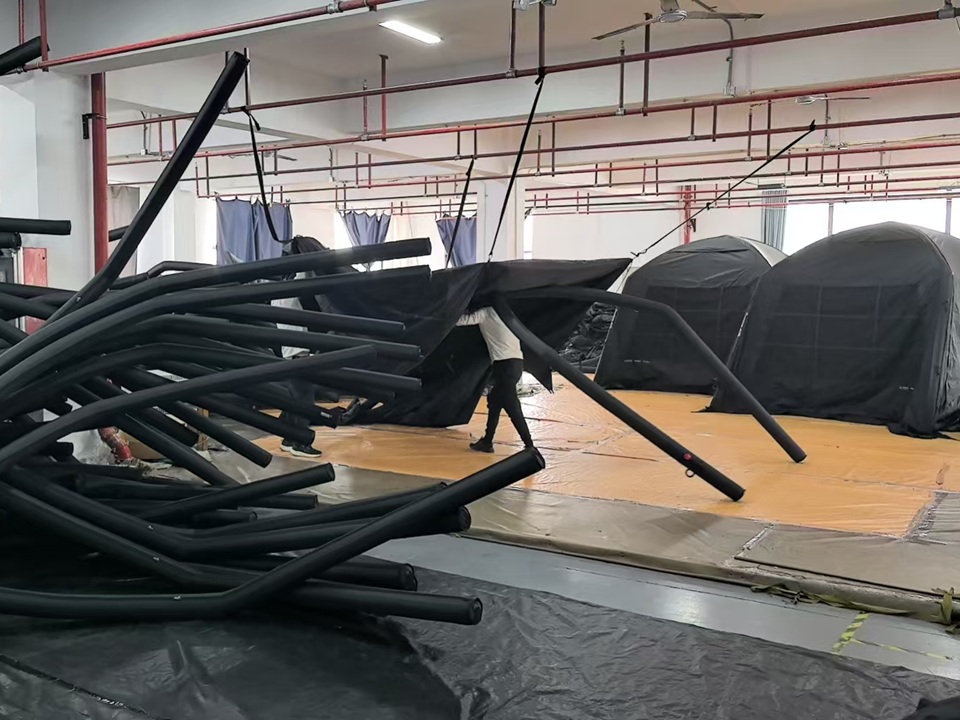
Case Study: Developing an Inflatable Tent Sample Within 14 Days
Customer Type
Outdoor brand customer
Project Challenge
The customer required:
- High product quality;
- Controlled manufacturing cost;
- Exact specifications based on their product concept.
The requirements included:
- Specific size;
- Specific fabric;
- Specific air pole structure.
Development Challenge
Inflatable tents involve additional technical considerations compared with standard tents.
The project required coordination between:
- Air pole preparation;
- Fabric selection;
- Pattern development;
- Sample production;
- Customer feedback.
NastoCamp Solution
To manage the timeline effectively, NastoCamp arranged the development process step by step:
Step 1: Prepare Special Materials Early
The air poles and special fabric were ordered first to reduce waiting time.
Step 2: Develop the Tent Pattern
After confirming the air pole requirements, the pattern development process began.
Step 3: Create a Trial Sample
Because some special materials required preparation time, NastoCamp produced a trial sample using replacement fabric first.
This allowed the team to:
- Confirm structure;
- Check dimensions;
- Communicate improvements with the customer.
Step 4: Produce the Final Sample
After receiving customer feedback, NastoCamp improved the design and produced the final sample using the correct materials.
Final Result
The sample was completed within the expected timeline while achieving the customer’s quality requirements.
This case demonstrates an important point:
A shorter development timeline does not only depend on working faster.
It depends on:
- Early preparation;
- Clear communication;
- Engineering experience;
- Effective coordination.
Emergency Development Example: When Timing Is Critical
In some cases, outdoor brands may face extremely urgent development requirements.
NastoCamp has experienced situations where customers needed samples within an extremely short timeframe due to important marketing schedules.
In one urgent project, a customer needed a finished sample before an international advertising campaign.
The NastoCamp team worked overnight to complete the sample and arranged urgent delivery so the customer could continue their planned production schedule.
Important Note
Due to customer confidentiality, specific brand names and campaign details are not disclosed.
However, this type of project demonstrates that:
Experienced manufacturers need not only production capability but also the flexibility to respond to urgent business requirements.
How Outdoor Brands Can Better Plan Custom Tent Development
A realistic timeline starts with proper preparation.
Before requesting a tent quote, brands should prepare:
Product Information
Including:
- Product images;
- Dimensions;
- Target functions;
- Usage scenarios.
Material Requirements
Including:
- Fabric expectations;
- Color requirements;
- Special components.
Business Requirements
Including:
- Target market;
- Expected quantity;
- Target price;
- Launch schedule.
Production Confirmation
Before mass production:
Brands should confirm:
- Final sample approval;
- Logo and labeling;
- Packaging requirements;
- Product specifications.
Conclusion: Custom Tent Development Requires Planning, Communication, and the Right Manufacturing Partner
There is no single timeline that applies to every custom tent project.
A simple product modification may require only several days for sample development, while a complex tent structure with special materials may require several weeks or longer.
The final timeline depends on:
- Product complexity;
- Material requirements;
- Engineering work;
- Customer decision speed;
- Production preparation.
Outdoor brands can reduce unnecessary delays by:
- Preparing complete product information;
- Communicating clearly with manufacturers;
- Confirming details before production;
- Working with an experienced OEM partner.
A professional tent manufacturer does not only produce products.
A reliable OEM partner helps brands transform ideas into practical, market-ready outdoor products.
Discuss Your Custom Tent Project With NastoCamp
Whether you are launching a new outdoor brand, expanding your product range, or developing a customized tent solution, NastoCamp supports outdoor brands from initial concept discussion through sample development and mass production.
Contact NastoCamp to discuss your next custom tent project.