Many outdoor brands contact tent manufacturers with a simple request:
“Can you quote this tent?”
Sometimes they provide a product photo.
Sometimes they provide a sketch.
Sometimes they only provide a brief description.
While manufacturers can often provide an initial estimate based on limited information, accurate quotations require much more than a picture.
The more information available at the beginning of a project, the faster and more accurately a manufacturer can evaluate costs, recommend materials, identify potential challenges, and support product development.
In this article, we explain what outdoor brands should prepare before requesting a quotation and how better project preparation can save time, reduce misunderstandings, and improve project outcomes.
Why Accurate Quotations Require More Than a Product Photo
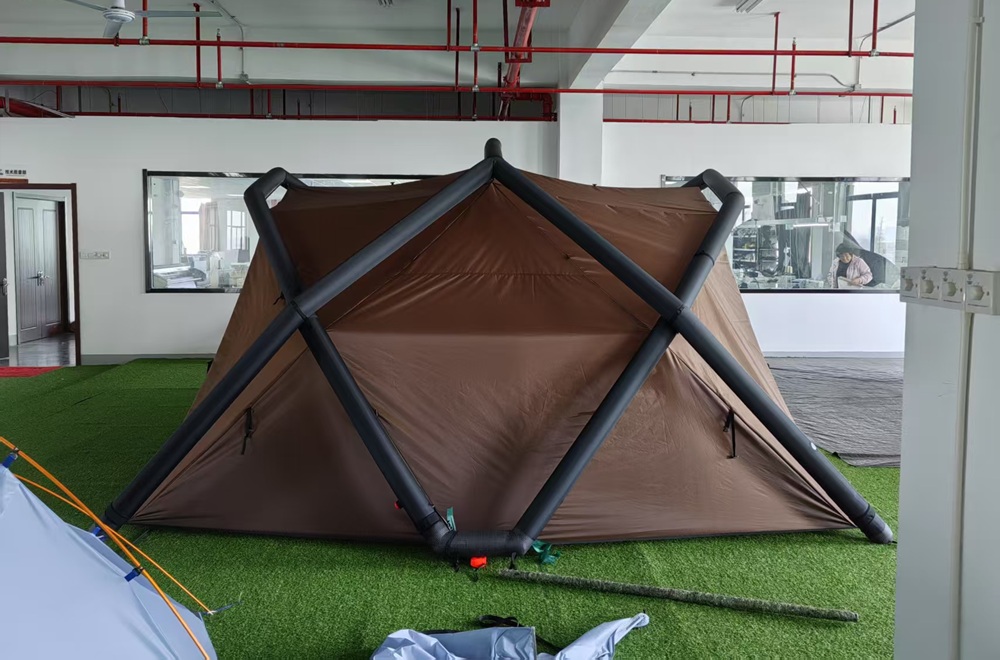
A product photo can provide a general understanding of a tent’s appearance.
However, it rarely reveals the details that determine manufacturing cost.
For example, a photo cannot always show:
- Fabric specifications
- Waterproof requirements
- Pole materials
- Construction methods
- Reinforcement details
- Packaging requirements
- Branding requirements
As a result, quotations based solely on photos are often preliminary estimates rather than final pricing.
Providing complete project information allows manufacturers to evaluate costs more accurately and avoid repeated revisions later.
For brands developing custom products, early communication with an experienced OEM tent development partner can significantly improve project efficiency and reduce unnecessary revisions.
Can Manufacturers Quote a Tent From a Photo Alone?
The short answer is yes—but only to a certain extent.
Experienced manufacturers can often estimate:
- Tent type
- Approximate dimensions
- Common materials
- General production complexity
However, many important details remain unknown.
For example, two tents that look similar in photos may use completely different:
- Fabrics
- Waterproof treatments
- Pole systems
- Accessories
- Branding methods
These differences can significantly affect pricing.
For this reason, detailed specifications are always recommended when requesting a quotation.
The 8 Key Details Manufacturers Need Before Quoting
1. Tent Type
Start by clearly identifying the product category.
Examples include:
- Family tents
- Backpacking tents
- Air tents
- Glamping tents
- Beach shelters
- Screen houses
Different product categories require different materials, structures, and manufacturing processes.
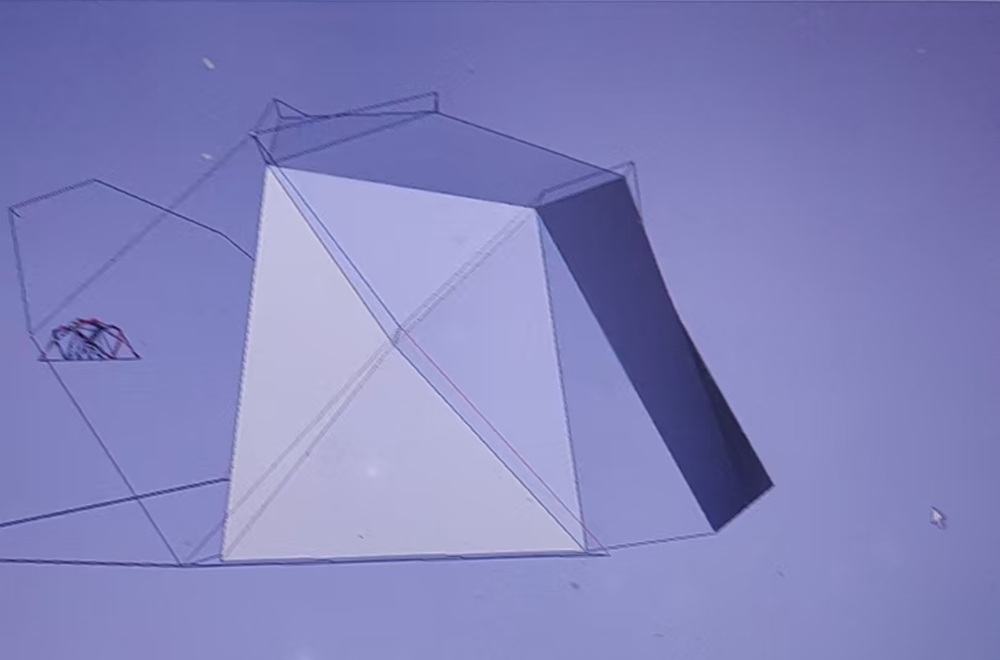
2. Dimensions
Dimensions directly affect:
- Fabric consumption
- Pole requirements
- Labor costs
- Packaging size
Providing accurate measurements helps improve quotation accuracy.
3. Material Requirements
Whenever possible, specify:
- Fabric type
- Waterproof rating
- Pole material
- Floor material
- Accessory requirements
Material selection is one of the largest cost factors in tent manufacturing.
4. Logo and Branding Requirements
Branding details may include:
- Screen printing
- Heat transfer printing
- Woven labels
- Hangtags
- Packaging artwork
Missing branding information often results in quotation revisions later.
5. Packaging Requirements
Some brands require standard packaging.
Others require:
- Custom cartons
- Color boxes
- Retail packaging
- Instruction manuals
Packaging can influence both production costs and shipping costs.
6. Target Market
One detail many buyers overlook is the intended market.
For example:
- North America
- Europe
- Japan
- South Korea
- Australia
Different markets may have different expectations regarding materials, quality standards, certifications, and packaging.
7. Estimated Order Quantity
Order quantity is one of the most important factors affecting pricing.
For example:
- Premium products may begin at 100 units.
- Many standard camping tents start around 300–500 units.
- Entry-level products may require 1,000 units or more.
Providing realistic quantity expectations helps manufacturers recommend suitable solutions.
Order quantity directly affects material sourcing, production planning, and overall manufacturing efficiency.
8. Required Delivery Timeline
Project schedules influence:
- Material sourcing
- Production planning
- Capacity allocation
The earlier manufacturers understand your timeline, the better they can support your project.
Why Sample Development Often Costs More Than Buyers Expect
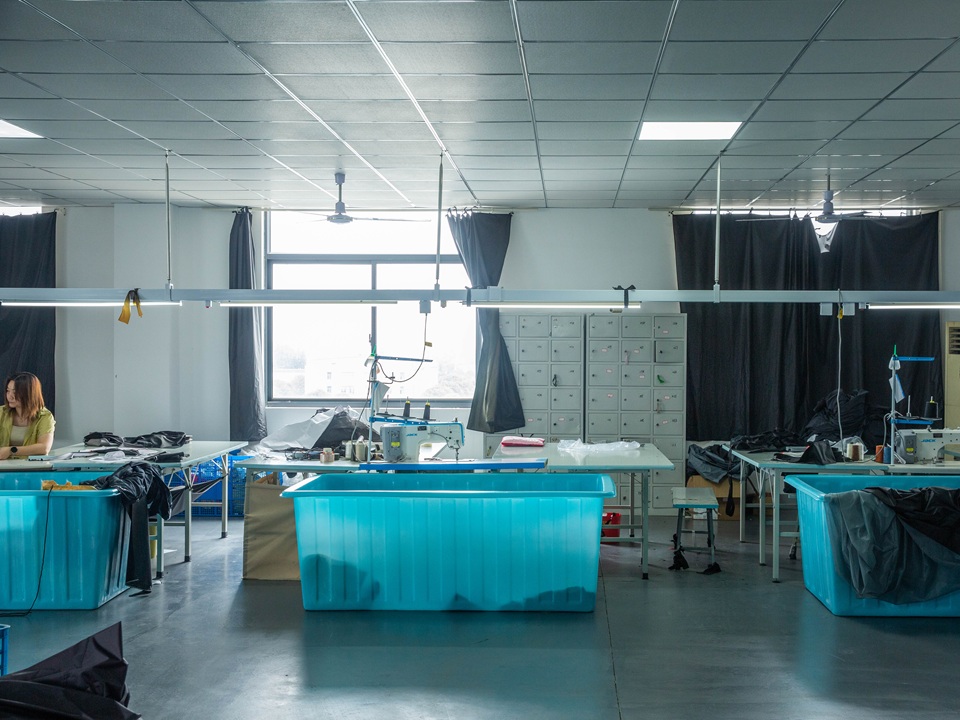
One of the most common misconceptions in OEM manufacturing is that a sample should cost the same as a production unit.
In reality, sample development often costs significantly more.
Why?
Because developing a sample usually requires manufacturers to complete many of the same steps used for mass production:
- Material sourcing
- Pattern making
- Sample cutting
- Printing
- Sewing
- Inspection
- Packaging
In addition, sample development is often handled by dedicated technicians rather than production-line operators.
Depending on product complexity, sample lead times may range from two to four weeks.
Many of the activities performed during sample development are later repeated during the full manufacturing process.
For projects requiring custom colors, custom materials, molds, or tooling, additional development costs may also apply.
For waterproof products, sample verification may also include rain testing to evaluate real-world performance before production begins.
Understanding MOQ and Small Quantity Orders
Many buyers ask:
“What if my order quantity is below the MOQ?”
The answer depends on the project.
In some cases, manufacturers may offer solutions such as:
- Using available stock materials
- Combining production with similar projects
- Applying small-batch production fees
The best approach is to discuss expected quantities early in the project so realistic options can be evaluated.
The Most Common Reasons Tent Projects Get Delayed
Even well-planned projects can experience delays.
Some of the most common causes include:
- Raw material lead-time issues
- Missing logos or artwork
- Label approval delays
- Product modifications during development
- Quality issues requiring rework
Robust quality control procedures help reduce the risk of rework and production delays.
Many of these challenges can be minimized through better preparation and early communication.
Example of a Good RFQ
A weak RFQ might look like this:
“Need tent. Please quote.”
A stronger RFQ would include:
- Product photos or drawings
- Tent dimensions
- Material requirements
- Target market
- Estimated order quantity
- Branding requirements
- Desired delivery timeline
- Company background and product positioning
The more information provided, the easier it becomes for manufacturers to provide accurate quotations and useful recommendations.
In many successful projects, manufacturers do more than provide pricing.
They also help refine specifications, optimize materials, improve product functionality, and reduce development risks.
Final Thoughts
A quotation is not simply a price.
It is the starting point of a successful OEM project.
The more information buyers prepare before requesting a quotation, the faster manufacturers can respond and the more accurate their recommendations become.
For outdoor brands, taking the time to prepare clear project requirements can significantly improve communication, reduce delays, and create a smoother path from concept to production.
Because successful tent manufacturing begins long before production starts.
If you’re planning a custom tent project, contact our team to discuss your requirements and receive a more accurate quotation.
Related Reading
- How Waterproof Is a Tent? What Rain Testing Reveals About Tent Quality
- Why Tent Quality Varies Between Manufacturers: Inside the OEM Production Process
- OEM & ODM Tent Manufacturing Services
Frequently Asked Questions About Custom Tent Quotations
Can I get a quotation with only a product photo?
Yes, but it will usually be an estimate rather than a final quotation. Detailed specifications help improve pricing accuracy.
What information should I provide when requesting a quote?
Product type, dimensions, materials, logo requirements, target market, estimated quantity, and delivery timeline are the most important details.
Why are sample costs higher than production unit costs?
Sample development requires pattern making, material sourcing, production planning, and dedicated labor, which significantly increases per-unit costs.
What if my order quantity is below the MOQ?
Possible solutions may include stock materials, combined production, or small-batch fees, depending on the project.
How long does it take to receive a quotation?
For most projects, preliminary quotations can often be provided within one to two business days when sufficient information is available.