Launching a successful camping tent isn’t just about selecting the right fabric or achieving a higher waterproof rating.
One of the earliest, and most important, decisions in product development is choosing the right tent structure.
Whether it’s a dome tent, tunnel tent, cabin tent, or inflatable tent, the structure determines far more than the tent’s appearance.
It influences:
- Stability in windy conditions
- Interior living space
- Setup experience
- Product weight
- Manufacturing cost
- Transportation efficiency
- Overall market positioning
Many first-time outdoor brands compare tent structures by asking:
“Which one is the best?”
Experienced OEM manufacturers ask a different question:
“Which structure best fits your target market?”
Because there is no universally perfect tent structure.
Every design represents a balance between performance, user experience, production complexity, and commercial objectives.
In this guide, we’ll explain how different tent structures are used in OEM development, and how manufacturers help outdoor brands choose the right solution for their products.
Why Tent Structure Matters More Than Most Buyers Think
When people first look at a tent, they often notice its shape.
Some tents are compact and dome-shaped.
Others are long and spacious.
Some have nearly vertical walls, while others rely on inflatable air beams instead of traditional poles.
To many buyers, these appear to be simply different styles.
In reality, every tent structure is an engineering decision.
Changing the structure affects nearly every aspect of the final product, including:
- Wind resistance
- Waterproof performance
- Interior space
- Ease of setup
- Packing size
- Material consumption
- Production cost
- Retail positioning
For OEM manufacturers, selecting a tent structure is not about aesthetics alone.
It is about designing a product that performs well for a specific market and user group.
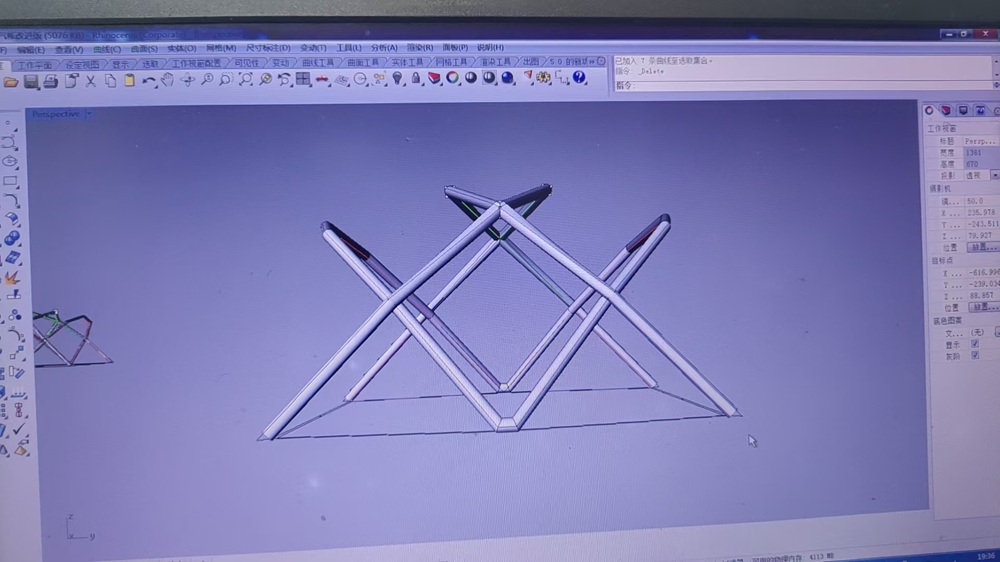
Product Strategy Comes Before Tent Structure
One interesting misconception among new buyers is that product development starts with technical specifications.
In reality, experienced outdoor brands usually begin with market positioning.
Before deciding whether a tent should use a dome or tunnel structure, they have often already answered questions such as:
- Which country will this product be sold in?
- Who is the target customer?
- What price range will it compete in?
- Is it designed for backpacking, family camping, glamping, or humanitarian use?
- What makes this product different from existing tents?
Only after these questions are answered does the tent structure become clear.
For example:
An ultralight backpacking tent is unlikely to use a large steel-frame structure.
Likewise, a luxury glamping shelter would rarely use the same engineering approach as a compact hiking tent.
The structure is therefore not the starting point of product development.
It is the result of a well-defined product strategy.
NastoCamp Expert Insight
One of the first questions we ask customers is not:
“Which tent structure do you want?”
Instead, we ask:
- Which market are you targeting?
- Is your brand positioned as premium or value-oriented?
- Who is your end user?
Once these answers are clear, recommending a suitable tent structure becomes much easier.
The Most Common Tent Structures Used in OEM Manufacturing
Today, outdoor brands use many different tent structures, but several designs account for the vast majority of OEM production.
The most common include:
- Dome tents
- Tunnel tents
- Cabin tents
- Inflatable tents
- Geodesic tents
- Tipi tents
Each structure has its own strengths, limitations, and ideal applications.
Rather than asking which one is better, professional product developers ask:
Which one best supports the intended user experience?
In the following sections, we’ll explore how each structure serves different outdoor markets and why OEM manufacturers recommend different solutions for different products.
How Different Tent Structures Serve Different Outdoor Markets
Every tent structure exists for a reason.
Rather than asking which design is “better,” experienced product developers ask a more practical question:
Which structure best matches the product’s intended market and user experience?
Each structure represents a different balance between stability, interior space, portability, manufacturing complexity, and commercial positioning.
Dome Tents: The Industry Standard for Stability
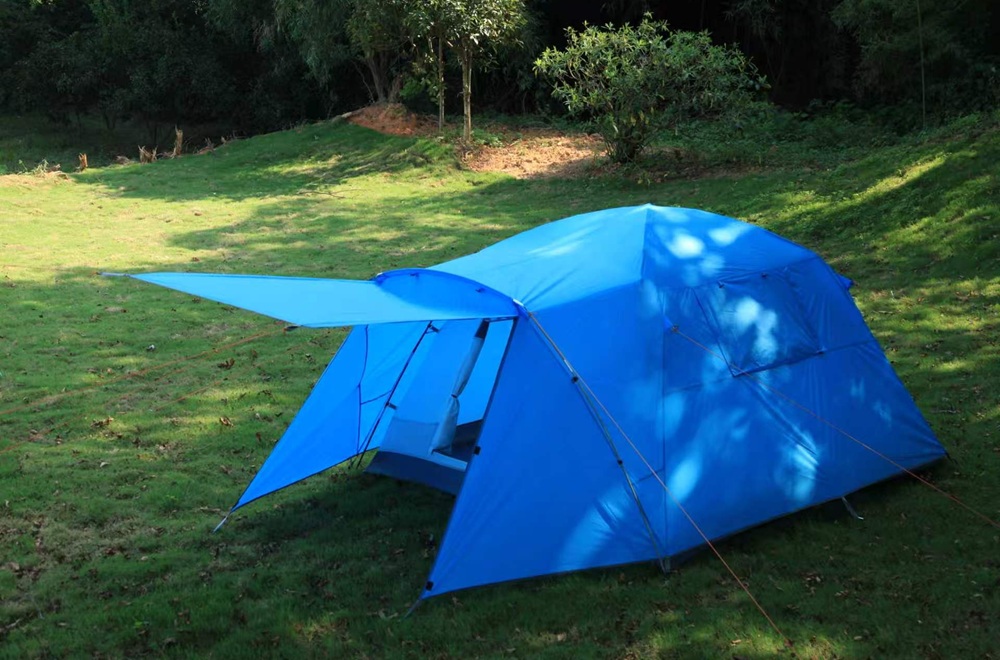
Among all tent structures, the dome tent remains one of the most widely used designs in the outdoor industry.
Its popularity comes from one key advantage:
Structural stability.
The intersecting pole system distributes force efficiently, making dome tents naturally resistant to wind while remaining relatively simple to manufacture.
For this reason, dome structures are commonly used for:
- Backpacking tents
- General camping tents
- Four-season tents
- Many family camping products
Their compact shape also helps rainwater flow away naturally, reducing the likelihood of water pooling on the roof.
This is one reason dome tents generally perform well during rain testing.
However, dome tents also have limitations.
As tents become larger, maintaining structural stability becomes increasingly difficult, and production complexity rises significantly.
For very large shelters, manufacturers often consider alternative structural solutions.
NastoCamp Expert Insight
For compact and medium-sized camping tents, the dome structure remains one of the most reliable and versatile engineering solutions available.
Tunnel Tents: Designed for Space and Comfort
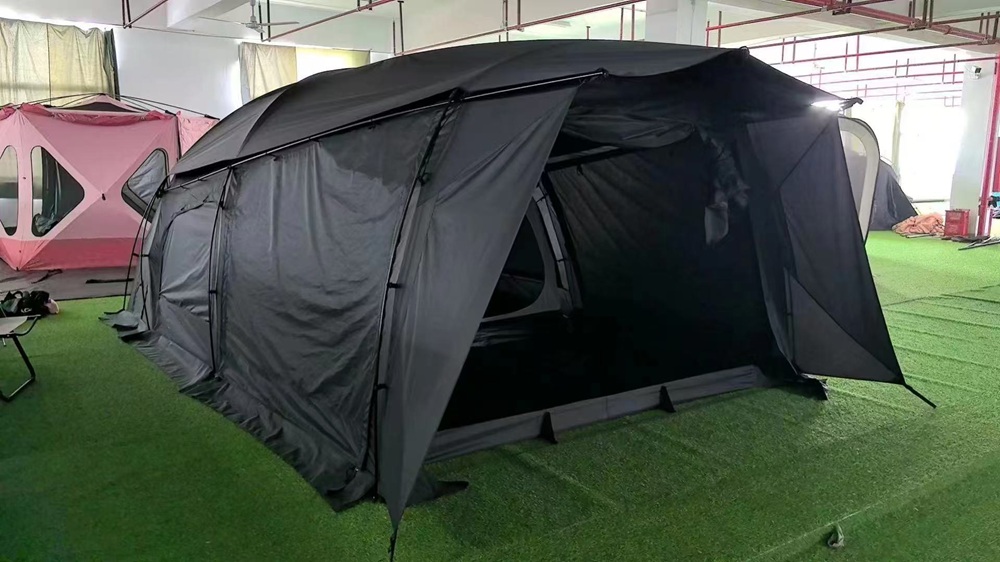
Tunnel tents are often selected when interior living space becomes a higher priority.
Compared with dome structures, tunnel tents can provide:
- Larger usable interior volume
- Better standing height
- More flexible room layouts
- Easier expansion for family camping
This makes tunnel structures particularly popular for:
- Family camping tents
- Large group shelters
- Long-stay camping
- Premium camping products
From a manufacturing perspective, tunnel tents are also relatively efficient to produce.
However, the trade-off is that tunnel structures generally rely more heavily on proper staking and guy lines to achieve maximum stability.
Compared with dome tents, they may be less stable under strong wind if not correctly pitched.
OEM Design Consideration
When customers request larger interior space without dramatically increasing production complexity, tunnel structures often become an attractive solution.
Cabin Tents: Prioritizing Comfort Over Compactness
Cabin tents have become increasingly popular in recent years, particularly in markets where camping is viewed as a comfortable leisure activity rather than a lightweight outdoor adventure.
Their nearly vertical walls provide several practical advantages:
- More usable floor space
- Greater headroom
- Improved furniture layout
- Better family living experience
Many modern cabin tents are designed to create a “home away from home” atmosphere.
This trend has been especially visible in family camping and lifestyle-oriented outdoor markets.
The trade-off is that larger wall surfaces generally require stronger structural support and may experience greater wind loads than compact dome designs.
For this reason, cabin tents are typically intended for recreational camping rather than extreme weather environments.
Inflatable Tents: Changing the Way Tents Are Built
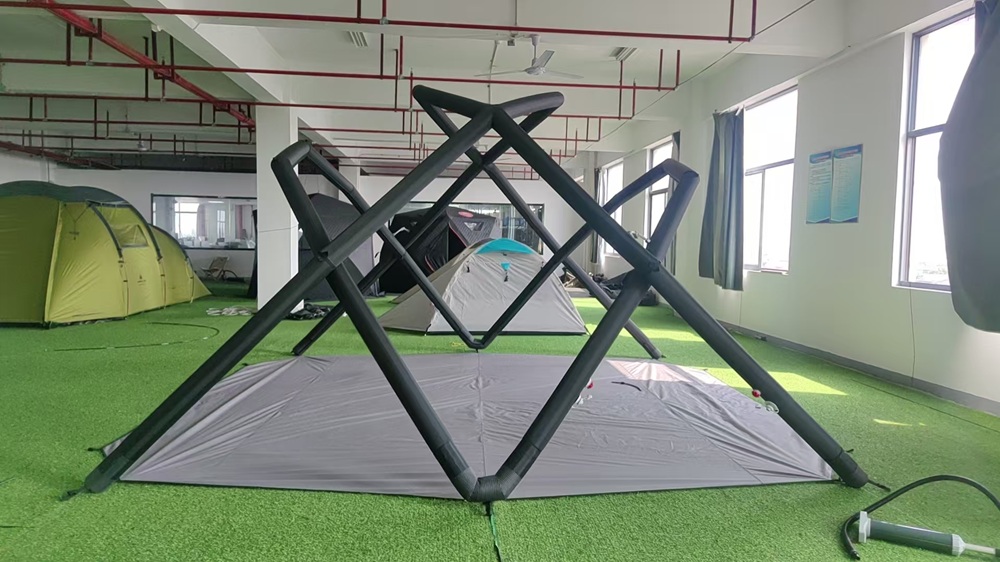
Inflatable tents do not simply replace poles with air beams.
They change the entire setup experience.
Instead of assembling multiple pole sections, users inflate the structural beams, allowing the tent to take shape quickly.
For many outdoor consumers, the biggest benefit is convenience.
Inflatable systems are now widely used in:
- Family camping tents
- Premium camping products
- Glamping tents
- Fast-deployment shelters
From an OEM perspective, inflatable structures create new opportunities for product differentiation.
Many outdoor brands choose inflatable systems not because traditional poles are inadequate, but because they offer a unique selling point that is easy for consumers to understand.
Geodesic and Tipi Tents: Specialized Solutions for Specific Markets
Not every tent is designed for the mass market.
Some structures are created for highly specialized applications.
Geodesic Tents
Geodesic structures use multiple intersecting poles to create exceptional rigidity.
This makes them particularly suitable for:
- Mountaineering
- Expedition tents
- High-wind environments
- Harsh weather conditions
Their segmented pole design also makes transportation easier despite the structural complexity.
Tipi Tents
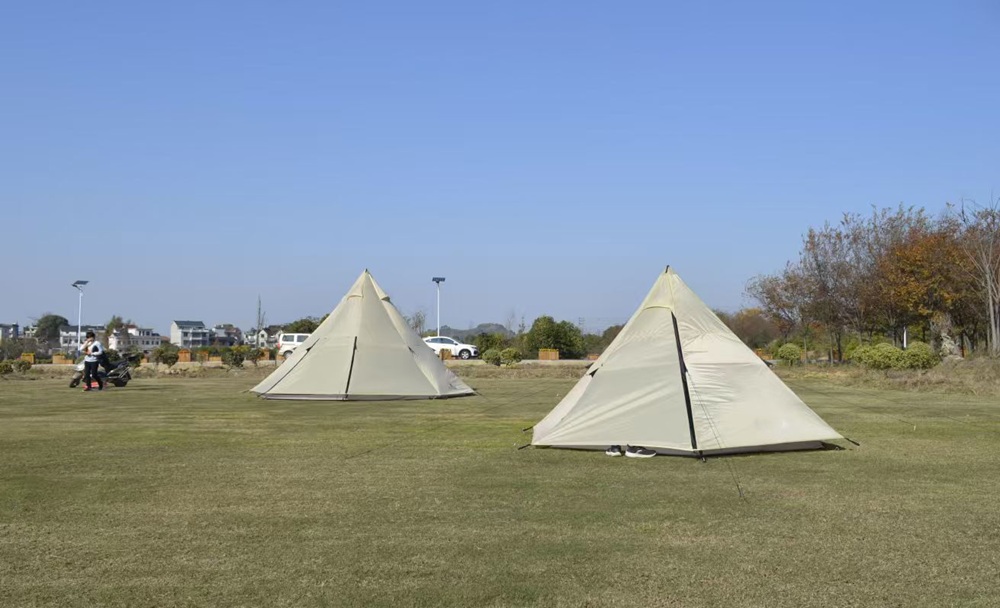
Tipi tents represent one of the oldest tent structures still in use today.
Many outdoor enthusiasts appreciate them for their:
- Classic appearance
- Simple setup
- Timeless design
However, compared with modern family tents, tipi structures usually provide less efficient interior space, which limits their popularity in today’s mainstream camping market.
They continue to appeal to niche outdoor brands and customers seeking a traditional camping experience.
Why OEM Manufacturers Sometimes Recommend Changing the Tent Structure
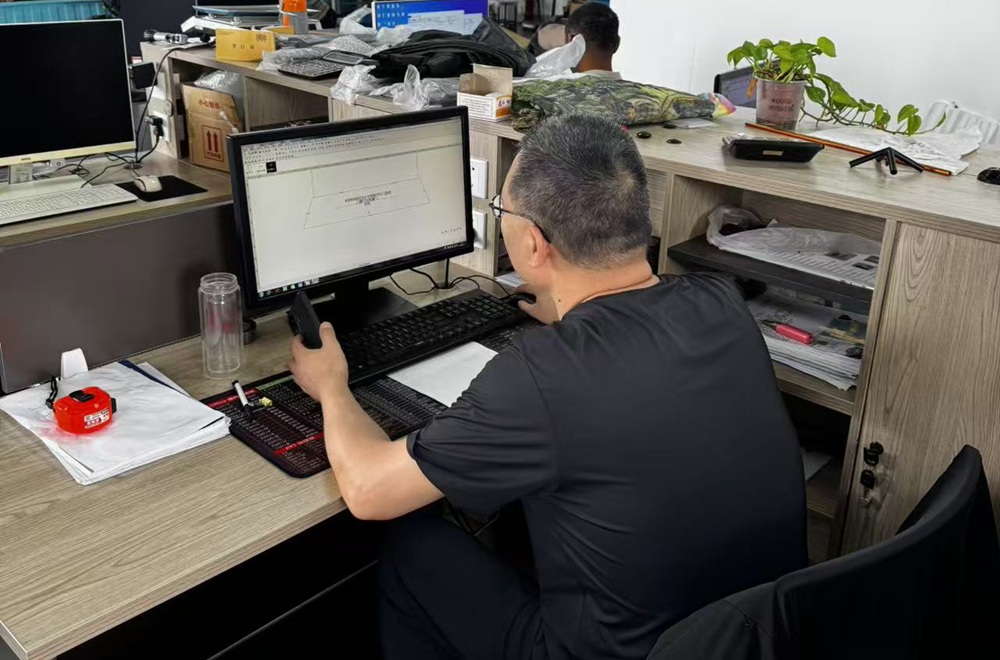
One of the biggest advantages of working with an experienced OEM manufacturer is that product development does not stop after the first design.
In many projects, the initial structure changes before mass production.
Common reasons include:
- Reducing manufacturing cost
- Improving wind resistance
- Enhancing waterproof performance
- Lowering product weight
- Simplifying production
- Improving user experience
In some cases, customers also discover during sample development that a structure which looked excellent on paper does not perform as expected in real-world testing.
Making structural adjustments during the sampling stage is far less expensive than discovering problems after mass production has begun.
How NastoCamp Helps Outdoor Brands Choose the Right Tent Structure
At NastoCamp, selecting a tent structure is never the first step in product development.
Instead of asking:
“Do you want a dome or tunnel tent?”
we usually begin with questions such as:
- Which country or region is your target market?
- Is your brand positioned as premium or value-oriented?
- Who is your target customer?
- What retail price range are you aiming for?
- Is lightweight performance more important than interior space?
- Do you already have reference products or competing brands?
These discussions help us understand the product before recommending any engineering solution.
For experienced outdoor brands, the tent structure is often already defined.
Our role is to verify that the chosen structure matches the product requirements and manufacturing feasibility.
For newer brands, however, we often provide recommendations based on our experience developing OEM and ODM tents for different outdoor markets.
Sometimes the best solution is not changing the material, it is changing the structure.
OEM Case Insight
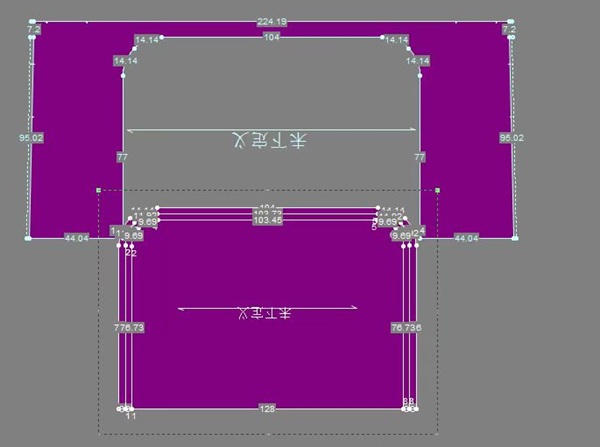
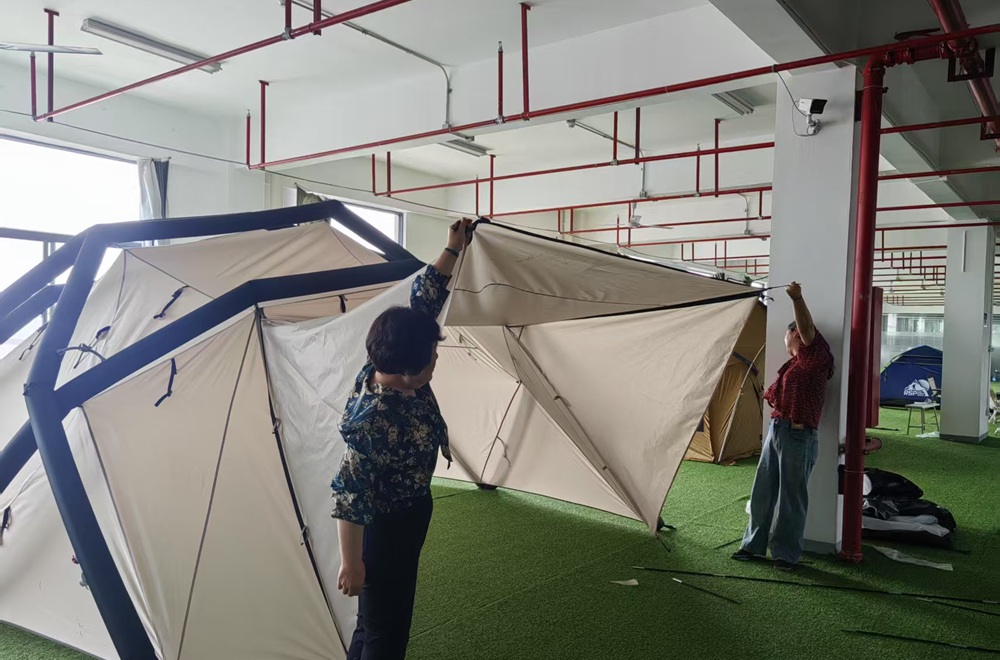
In one development project, the original concept looked attractive in CAD drawings but failed to deliver the expected performance during sample evaluation.
After reviewing the prototype, the tent structure was modified to improve stability and waterproof performance while also reducing manufacturing complexity.
The revised design performed significantly better during testing and was approved for production.
This is why successful OEM development is an iterative process.
The first design is rarely the final design.
Product Innovation Matters More Than Simply Changing the Structure
When developing new products, many people assume engineering starts with solving technical problems.
In reality, innovation often starts with understanding the market.
One of the first considerations during product planning is often:
Can this product offer something customers haven’t seen before?
Modern outdoor brands compete on much more than waterproof performance or wind resistance.
They also compete through:
- Faster setup
- Better living experience
- Unique appearance
- Improved ventilation
- Easier transportation
- More convenient storage
The tent structure is simply one tool that helps achieve those product goals.
Good engineering supports good product strategy, not the other way around.
NastoCamp Expert Insight
Most tents on the market today are already capable of providing adequate waterproof and wind-resistant performance.
What differentiates successful products is often the overall user experience rather than a single technical specification.
Final Thoughts
Every successful camping tent begins with a clear understanding of its intended users.
Only then do engineers decide which structure can best deliver the desired experience.
Dome tents remain one of the most versatile and stable solutions for many outdoor applications.
Tunnel tents provide exceptional interior space for family camping.
Cabin tents prioritize comfort.
Inflatable structures simplify setup.
Geodesic designs excel in demanding environments.
None of these structures is universally better than another.
Each represents a different balance between performance, usability, manufacturing complexity, and commercial positioning.
For OEM manufacturers, choosing the right tent structure is not about following trends.
It is about helping outdoor brands create products that truly fit their market.
The best tent structure is not the most complex one.
It is the one that best supports your product strategy.
Planning a new tent project?
Whether you’re developing your first camping tent or expanding an existing product line, our engineering team can help evaluate tent structures, materials, and manufacturing solutions that match your target market.
Contact us to discuss your OEM or ODM tent development project.
Frequently Asked Questions About Tent Structures
Which tent structure is the most stable?
For most camping applications, dome tents are among the most stable structures because their intersecting poles distribute loads efficiently and perform well in windy conditions.
Which tent structure offers the most interior space?
Tunnel and cabin tents generally provide more usable interior space than traditional dome tents, making them popular for family camping and longer stays.
Are inflatable tents replacing traditional pole tents?
No.
Inflatable tents offer a different setup experience and are increasingly popular in family camping and glamping, but traditional pole systems remain the preferred solution for many backpacking and performance-oriented products.
Why do mountaineering tents often use geodesic structures?
Geodesic tents use multiple intersecting poles to maximize structural rigidity, making them suitable for strong winds and harsh alpine environments.
Can the tent structure change during product development?
Yes.
Many OEM projects involve structural modifications after prototype evaluation to improve stability, waterproof performance, manufacturing efficiency, or cost.
How do OEM manufacturers recommend tent structures?
Professional manufacturers evaluate the target market, product positioning, user requirements, and manufacturing feasibility before recommending the most suitable structure.
Related Reading
Continue exploring the NastoCamp OEM Tent Knowledge Center:
How to Choose the Right Tent Fabric for Your Outdoor Brand
Learn how fabric selection affects durability, waterproof performance, weight, and product positioning.
Are Higher Waterproof Ratings Always Better?
Understand why waterproof performance depends on much more than hydrostatic head ratings.
Tent Pole Materials Explained
Compare aluminum, fiberglass, steel, and inflatable support systems used in OEM tent manufacturing.
Why Tent Samples Are More Important Than Most Buyers Realize
Discover why prototype evaluation is one of the most important stages in successful tent development.
Why Tent Quality Varies Between Manufacturers
See how manufacturing processes influence the performance of every finished tent.