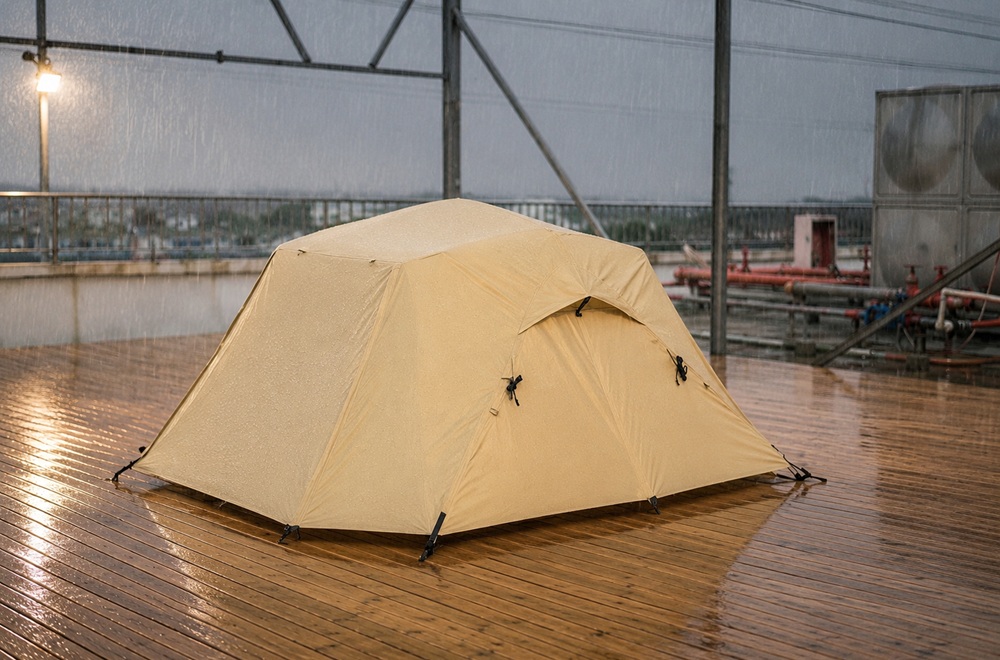
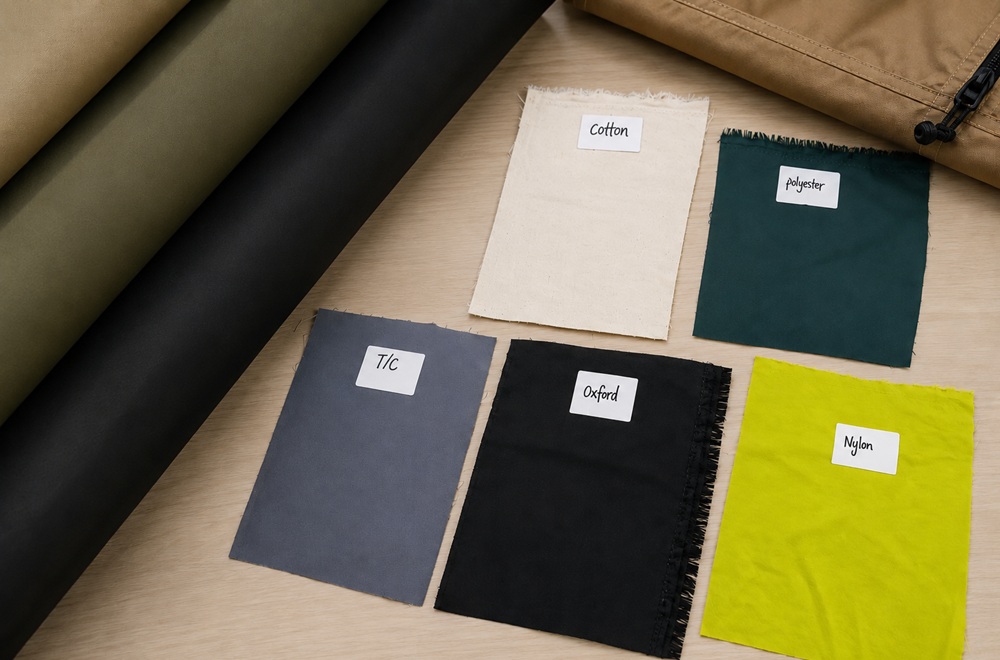
When comparing camping tents, one specification often receives more attention than any other:
Waterproof Rating.
Many buyers naturally assume that a tent with a higher waterproof rating must offer better waterproof performance.
At first glance, that seems logical.
If one tent is rated at 3000 mm and another at 5000 mm, surely the higher number must be the better choice.
However, after developing hundreds of OEM tent projects for outdoor brands around the world, we’ve learned that waterproof ratings tell only part of the story.
Some tents with relatively modest waterproof ratings perform exceptionally well during heavy rain.
Others with much higher ratings still experience water leakage.
Why?
Because waterproof performance depends on far more than the fabric alone.
Seam construction, coating quality, structural design, zipper protection, webbing selection, rain testing, and manufacturing workmanship all play important roles in determining whether a tent stays dry in real outdoor conditions.
In this guide, we’ll explain what waterproof ratings actually measure, why higher numbers aren’t always better, and how experienced OEM manufacturers evaluate waterproof performance during product development.
What Does a Tent Waterproof Rating Actually Measure?
A tent waterproof rating, also known as the hydrostatic head rating, measures how much water pressure a fabric can resist before water begins to penetrate the material.
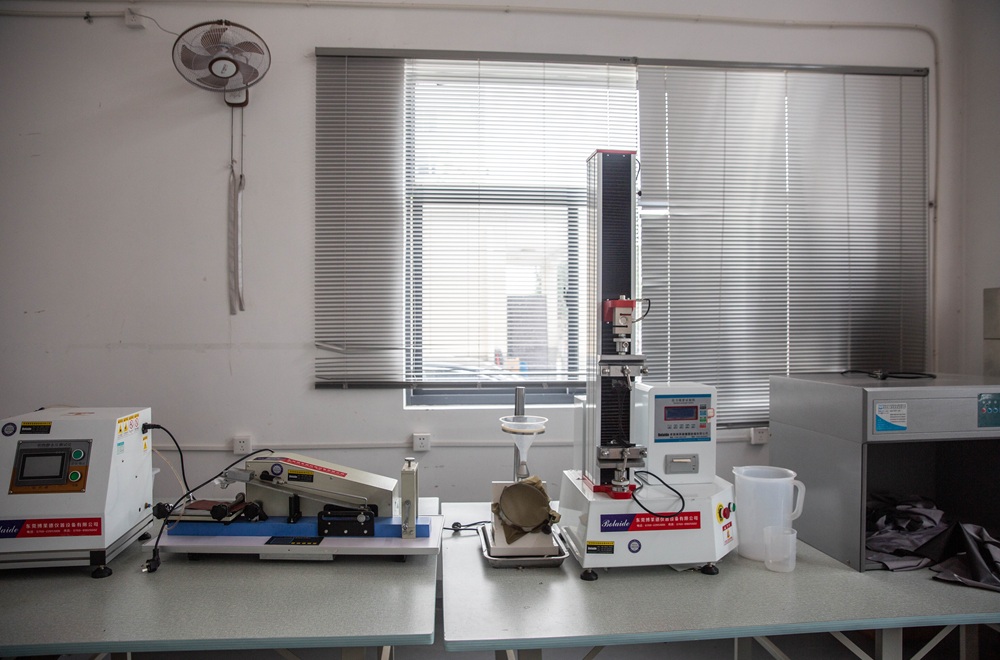
In simple terms, it evaluates the waterproof performance of the fabric itself, not the entire tent.
This distinction is extremely important.
A waterproof rating does not measure:
- Seam waterproofing
- Zipper protection
- Door and window design
- Ventilation structure
- Rainwater drainage
- Manufacturing quality
- Overall tent waterproof performance
Instead, it tells us only how resistant the fabric is to water pressure under laboratory testing conditions.
This is why two tents made from fabrics with identical waterproof ratings may perform very differently during actual outdoor use.
One may remain completely dry.
The other may leak, not because the fabric failed, but because water entered through seams, zippers, poorly protected vents, or other structural details.
NastoCamp Expert Tip
A waterproof rating measures the fabric.
A waterproof tent depends on the entire product.
Why 3000 mm Is Enough for Most Camping Tents
One of the most common questions we receive from buyers is:
“Should we increase the waterproof rating to 5000 mm or even higher?”
For most camping tents, our answer is usually:
Not necessarily.
Today, modern coating technology allows manufacturers to achieve approximately 3000 mm waterproof performance efficiently and consistently.
For many camping applications, this level already provides excellent protection against normal rainfall and even heavy rain.
It also offers an attractive balance between:
- Waterproof performance
- Manufacturing efficiency
- Material cost
- Product durability
This is one reason why 3000 mm has become one of the most common waterproof specifications used by outdoor brands around the world.
Higher waterproof ratings certainly have their place.
However, increasing the waterproof rating also increases production costs.
In some cases, excessively heavy coatings may even affect other fabric characteristics, including flexibility and tear strength.
Good product development is not about selecting the highest specification.
It is about selecting the most appropriate specification for the intended application.
Groundsheet Waterproof Ratings Are Different
While 3000 mm is commonly sufficient for tent flysheets, groundsheets are a different story.
Unlike the rainfly, the tent floor experiences direct pressure from both the ground and the people inside the tent.
For example:
- Wet ground may create standing water beneath the tent.
- Sleeping bags, camping furniture, and occupants apply continuous downward pressure.
- Uneven surfaces and stones may concentrate pressure on specific areas of the floor.
Under these conditions, the effective water pressure on the groundsheet can be much higher than the pressure experienced by the rainfly.
For this reason, many OEM tent projects specify groundsheet waterproof ratings of 5000 mm or higher to provide an additional safety margin.
The exact specification depends on the intended use, product positioning, and customer requirements.
This is another example of why waterproof ratings should be selected according to the product, not simply increased across every component.
NastoCamp Expert Tip
Many buyers ask,
“What waterproof rating should our tent use?”
A more useful question is:
Which part of the tent are we talking about?
The rainfly, groundsheet, and other components often have different waterproof requirements because they experience very different types of water pressure during real-world use.
A High Waterproof Rating Doesn’t Guarantee a Waterproof Tent
One of the biggest misconceptions in the outdoor industry is that increasing the waterproof rating automatically eliminates the risk of leakage.
In reality, waterproof fabric is only one part of a complete waterproof system.
A tent can still leak even when the fabric itself meets the required waterproof specification.
During OEM production, we evaluate waterproof performance as a combination of material selection, manufacturing quality, structural design, and real-world testing.
In many cases, water enters the tent through areas that have nothing to do with the waterproof rating of the fabric.
Let’s look at some of the most common examples.
Poor Seam Taping
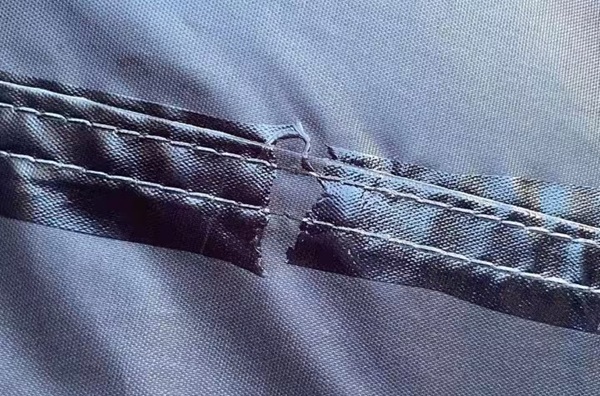
A tent may use fabric with an excellent waterproof rating, but if the seam tape is not applied correctly, water can still penetrate through the stitching holes.
We once encountered a production issue where seam tape was repeatedly positioned slightly off-center.
Although the fabric itself fully met the waterproof requirement, part of the stitching remained uncovered.
As a result, water entered through the exposed needle holes, eventually leading to customer complaints.
The waterproof rating of the fabric was never the problem.
The issue was workmanship.
This is why seam taping is one of the most critical quality control points during manufacturing.
Water Can Enter Through Zippers and Openings
Another common misunderstanding is that every leak must come through the fabric.
In reality, rainwater often enters through:
- Zippers
- Doors
- Windows
- Ventilation openings
These components are structural features rather than fabric defects.
If they are not designed with sufficient rain protection, wind-driven rain may enter even when the surrounding fabric performs perfectly.
This explains why experienced manufacturers evaluate the entire waterproof system rather than focusing only on laboratory fabric data.
Structural Design Matters More Than Many Buyers Realize
Even the strongest waterproof fabric cannot prevent problems caused by poor structural design.
For example, if a roof panel allows water to collect instead of draining naturally, standing water increases pressure on the fabric and seams over time.
Similarly, insufficient protection around roof vents or ventilation mesh may allow wind-driven rain to enter the tent under severe weather conditions.
Good waterproof performance begins with good engineering.
Material selection alone cannot compensate for structural weaknesses.
Waterproof Performance Depends on Details
Many waterproof issues originate from small components that buyers rarely consider.
For example:
- Webbing that absorbs water may gradually carry moisture into the interior.
- Poorly protected ventilation mesh may allow rain to enter.
- Incorrect accessory selection may compromise waterproof performance over time.
These details are difficult to identify by looking at drawings or specifications alone.
They usually become visible only during sample evaluation and rain testing.
NastoCamp Expert Tip
Many buyers compare waterproof ratings.
Experienced manufacturers compare complete waterproof systems.
The most reliable tents are not those with the highest laboratory numbers.
They are the ones where every component, from fabric and seams to zippers and structural design—works together to keep water outside.
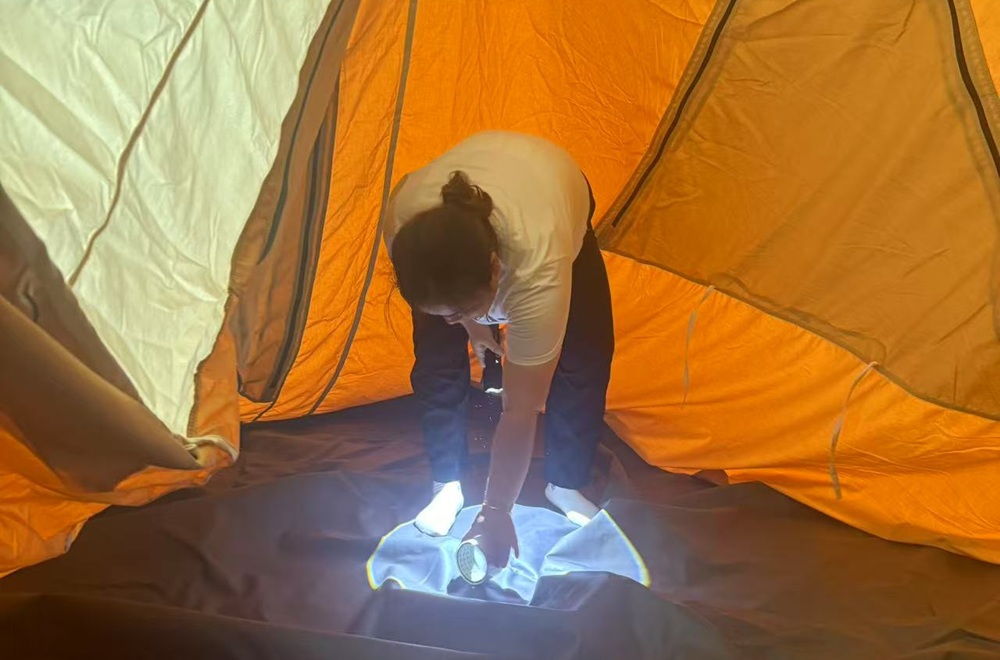
Why Rain Testing Is Still Essential
If waterproof ratings already exist, why do manufacturers still perform rain testing?
The answer is simple.
A laboratory waterproof rating verifies the performance of the fabric.
Rain testing verifies the performance of the entire tent.
This includes:
- Fabric performance
- Seam waterproofing
- Zipper protection
- Door and window design
- Roof drainage
- Ventilation openings
- Structural water flow
- Potential leakage points
Only after assembling the complete tent can manufacturers observe how water behaves under realistic conditions.
At NastoCamp, rain testing is an important part of new product development, particularly for new designs and products using cotton canvas or TC fabrics.
The purpose is not simply to confirm that the tent is waterproof.
The objective is to identify where water enters, understand why it happens, and improve the product before mass production begins.
Many issues discovered during rain testing are relatively easy to correct during the sample stage.
Finding the same problems after mass production would be far more expensive for both the manufacturer and the customer.
Real Waterproof Performance Is About Balance, Not Bigger Numbers
One interesting trend we have observed in recent years is that buyers are becoming more rational.
Instead of requesting the highest possible waterproof rating, many brands now focus on achieving the best balance between:
- Waterproof performance
- Product weight
- Material cost
- Durability
- Manufacturing efficiency
For most standard camping tents, a waterproof rating of around 3000 mm provides excellent performance while maintaining competitive production costs.
Higher waterproof ratings certainly have their place for specialized products, such as expedition or extreme-weather tents.
However, for mainstream camping products, increasing waterproof performance beyond actual market requirements often delivers diminishing returns while adding unnecessary cost.
Successful OEM product development is rarely about maximizing one specification.
It is about optimizing the entire product.
NastoCamp Expert Tip
Don’t ask:
“What’s the highest waterproof rating available?”
Ask instead:
“What’s the most appropriate waterproof rating for my customers?”
That question almost always leads to a better product.
How NastoCamp Recommends Waterproof Ratings for OEM Projects
One question we are frequently asked is:
“What waterproof rating do you recommend?”
Our answer is usually:
It depends on your product, not just the number.
Rather than automatically recommending the highest waterproof rating available, we evaluate several practical factors first.
These include:
- Target market
- Product positioning
- Expected retail price
- Outdoor environment
- Tent structure
- Fabric selection
- Customer expectations
- Manufacturing budget
For most standard camping tents, we often recommend a waterproof rating of around 3000 mm because it provides an excellent balance between waterproof performance, production cost, and long-term product quality.
If a project is intended for alpine environments, expedition use, or prolonged exposure to severe weather, higher waterproof specifications may be appropriate.
The key is making engineering decisions based on real product requirements rather than marketing numbers.
Interestingly, we have also worked with customers who initially requested higher waterproof ratings but later chose lower specifications after understanding the cost implications and actual performance requirements.
Professional product development is about selecting the most appropriate solution, not simply increasing every specification.
NastoCamp Expert Tip
One of the most common questions buyers ask is:
“Can you make it 5000 mm?”
A better question is:
“What waterproof rating is appropriate for my product?”
That small change in thinking often leads to a better-designed tent, lower production costs, and a product that better matches the needs of the end user.
Final Thoughts
Waterproof ratings are important.
But they are only one part of a much larger engineering process.
A fabric may successfully pass laboratory waterproof testing while the finished tent still develops leakage problems if seams, zippers, structural design, or manufacturing quality are not properly controlled.
For this reason, experienced OEM manufacturers never evaluate waterproof performance by looking at fabric specifications alone.
Instead, they consider the entire waterproof system, from material selection and construction methods to rain testing and final quality inspection.
If there is one message we hope buyers take away from this guide, it is this:
A waterproof rating measures the fabric.
A waterproof tent depends on the entire product.
Choosing the right waterproof specification is not about chasing the highest number.
It is about designing a tent that performs reliably in the real world.
Call To Action
Planning a new tent project?
Our engineering team can help you evaluate waterproof ratings, fabric selection, seam construction, and product design before sampling begins.
Choosing the right specification early can reduce development costs and improve long-term product performance.
Frequently Asked Questions About Tent Waterproof Ratings
Is a higher waterproof rating always better?
No.
Higher waterproof ratings increase the fabric’s resistance to water pressure, but they also increase material costs and are not always necessary for every camping application.
The best waterproof rating depends on the intended use of the tent.
Is 3000 mm waterproof enough?
For most family camping tents and recreational outdoor products, 3000 mm provides excellent waterproof performance and is one of the most commonly used specifications in OEM manufacturing.
Why do tent floors usually have higher waterproof ratings?
Unlike the rainfly, the groundsheet is constantly compressed by people and equipment while also coming into contact with wet ground.
This creates much higher water pressure, making higher waterproof ratings appropriate for tent floors.
Can a 5000 mm tent still leak?
Yes.
Water may enter through poorly sealed seams, zippers, ventilation openings, structural design issues, or manufacturing defects, even when the fabric itself meets the required waterproof specification.
Why is rain testing still necessary if the fabric has already passed waterproof testing?
Laboratory waterproof testing measures the fabric.
Rain testing evaluates the waterproof performance of the complete tent under realistic conditions, helping manufacturers identify potential leakage points before mass production.
How do OEM manufacturers recommend waterproof ratings?
Professional manufacturers first evaluate the product’s target market, expected outdoor environment, budget, and positioning before recommending suitable waterproof specifications.
Related Reading
Continue exploring our OEM Tent Knowledge Center:
How to Choose the Right Tent Fabric for Your Outdoor Brand
Your waterproof rating begins with the right fabric selection.
How Waterproof Is a Tent? What Rain Testing Reveals About Tent Quality
Learn how complete tents are tested under simulated rainfall before mass production.
Why Tent Samples Are More Important Than Most Buyers Realize
Discover why identifying waterproof issues during sample development saves significant production costs later.
Why Tent Quality Varies Between Manufacturers: Inside the OEM Production Process
Understand how manufacturing quality affects the final waterproof performance of every tent.