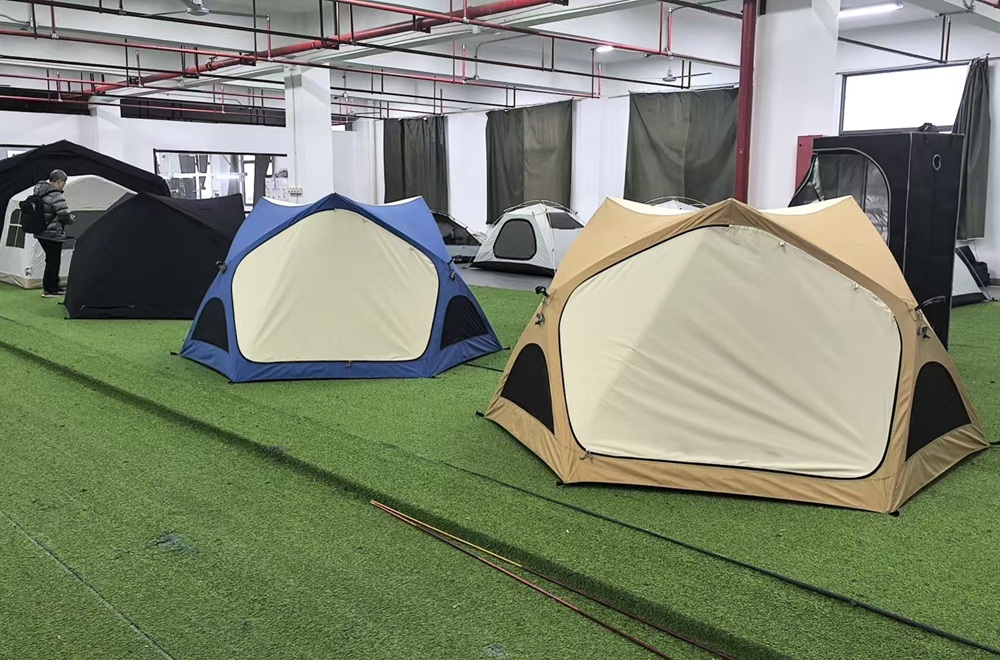
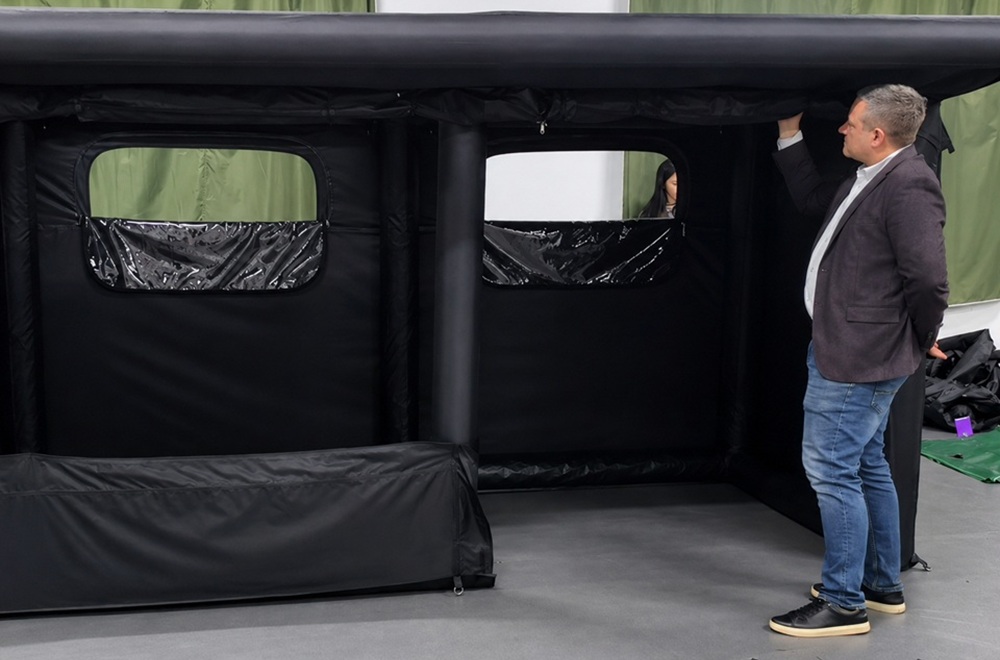
Many outdoor brands see samples as a simple early version of a product.
From the buyer’s perspective, a sample may look like “one tent before production.”
But from the manufacturer’s perspective, a tent sample is much more than that.
A sample is the stage where design ideas are turned into real products. It is where materials, structure, workmanship, testing risks, packaging details, and production feasibility are verified before mass production begins.
This is why sample development often takes more time, effort, and cost than many buyers expect.
At NastoCamp, we develop approximately 300–350 tent samples each year. Most are for existing customers developing new products, while others are for new customer projects or tender-related requirements.
In this article, we explain why tent samples are so important in OEM manufacturing and how outdoor brands can use the sample stage more effectively.
Many Buyers See Samples as a Cost
One of the most common questions buyers ask is:
“Why is the sample so expensive?”
This is understandable.
If a production unit costs a certain amount, buyers may expect the sample to cost the same or only slightly more.
However, sample development is very different from mass production.
In mass production, the product has already been confirmed. The pattern is ready. Materials are purchased in larger quantities. Workers follow a stable production process. Costs are spread across hundreds or thousands of units.
A sample is different.
For one sample, the factory may still need to complete pattern making, material sourcing, cutting, printing, sewing, inspection, modification, packaging, and shipping. In some cases, the first version may not be the final version. A complex product may require a second or third sample version before the result is fully approved.
This is why samples should not be viewed only as a cost.
They should be viewed as an investment in reducing production risk.
What Actually Happens During Tent Sample Development
A tent sample usually goes through many of the same steps as mass production.
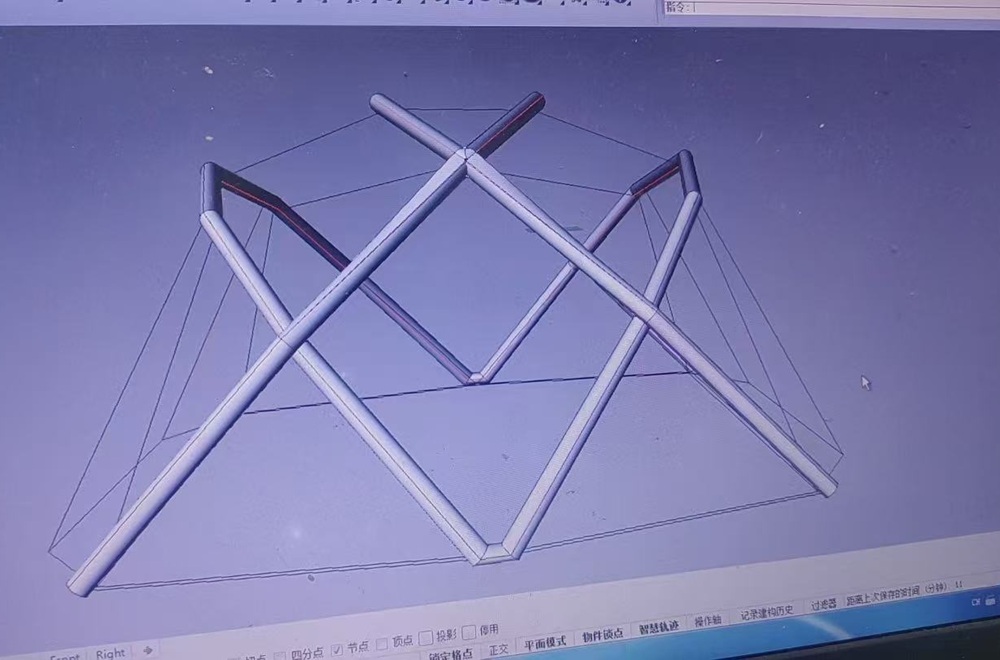
The process may include:
- Understanding customer requirements
- Preparing an initial quotation
- Confirming sample development
- Pattern making
- Material sourcing
- Cutting
- Logo printing or branding preparation
- Sewing
- Inspection
- Set-up checking
- Packaging
- Shipping
Even when only one sample is produced, many departments may still be involved.
For example, the technical team may need to develop the pattern. Purchasing may need to source fabric, poles, zippers, webbings, labels, or special accessories. The sample team needs to cut, sew, assemble, inspect, and adjust the product.
If special colors, custom materials, molds, logo printing plates, or unique components are required, additional time and cost may also be involved.
This is why sample development is not the same as taking one unit from a production line.
It is a complete development process.
Why Sample Development Often Requires Multiple Versions
For simple products, a sample may be completed quickly.
Some simple tent samples may take around three days if materials and specifications are clear.
For most projects, a normal sample development cycle is around two weeks.
For complex products, sample development may take three weeks or longer.
One key reason is pattern adjustment.
Complex tent samples often require more than one version. The first version may be used to check the structure, fit, dimensions, sewing methods, or functional details. If adjustments are needed, a second version may be made. In some cases, a third version may be required before the product is fully confirmed.
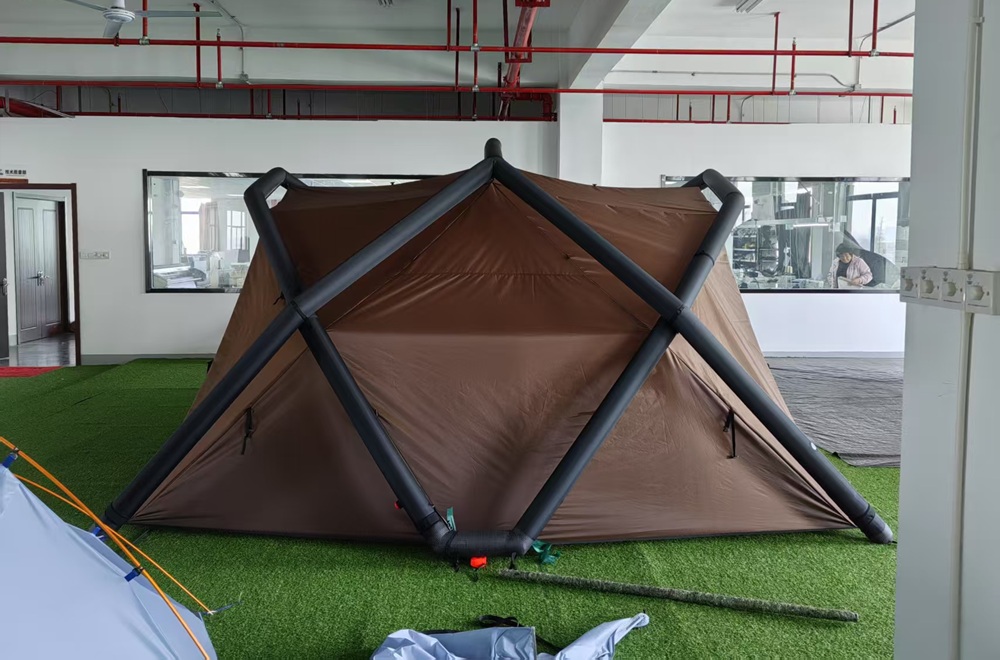
During one development project, testing of the first sample revealed water accumulation in the roof structure, leading to further design improvements before mass production.
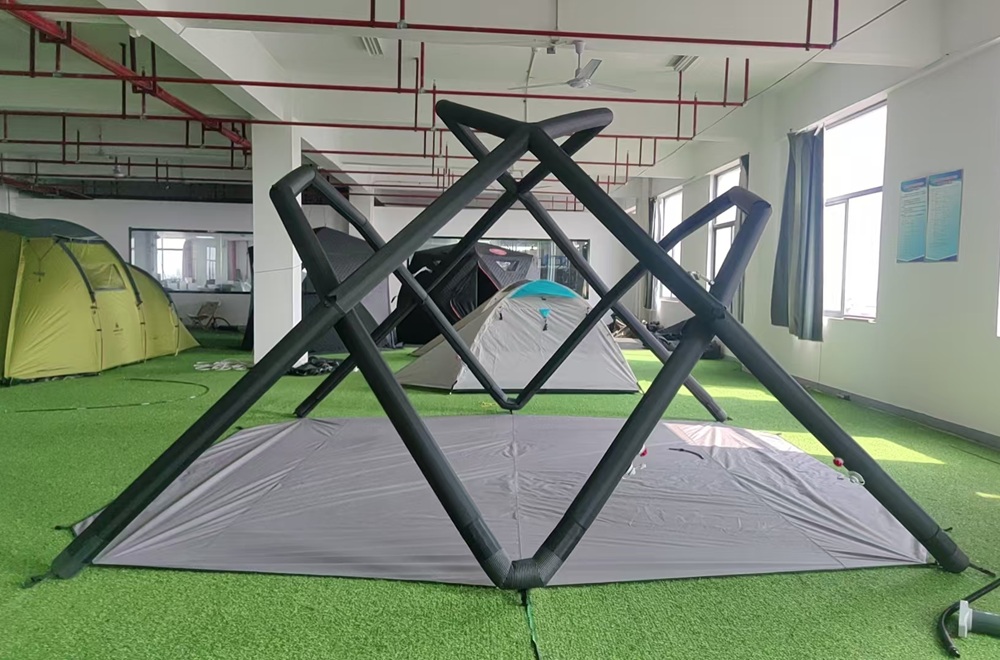
Each version may require cutting, sewing, inspection, set-up checking, and modification.
This process takes time, but it is also where many problems are solved before production begins.
A carefully developed sample helps ensure that mass production starts from a confirmed and stable product, not from an untested idea.
The Real Purpose of a Tent Sample
The purpose of a tent sample is not only to let the buyer see the product.
A good sample should help verify:
- Product dimensions
- Structure and stability
- Material suitability
- Sewing workmanship
- Logo and label placement
- Packaging size
- Weight
- Testing risks
- Production feasibility
For experienced buyers, the sample stage is also an opportunity to collect important production data.
This may include carton size, product weight, packing method, container loading information, and final cost confirmation.
In some projects, the first quotation is based on estimated material usage and production difficulty. After a sample is completed, the manufacturer can calculate fabric consumption, labor requirements, packaging details, and production complexity more accurately.
This helps both the buyer and manufacturer confirm whether the product is ready for mass production.
Real Problems That Samples Can Help Prevent
Sample development is designed to find problems early.
Finding an issue during the sample stage is not a failure. It is part of the development process.
The real risk is when problems are missed during sample development and only discovered after mass production.
For example, during sample testing, manufacturers may discover:
- Leakage during rain testing
- Fabric tearing under stress
- Structural weakness
- Air leakage in inflatable tubes
- Packaging issues
- Incorrect label placement
- Safety risks in children’s tents
For waterproof tents, rain and wind testing can help identify leakage points or material weaknesses before production.
For inflatable tents, air tubes may need inflation testing to check whether they hold air properly over time.
For children’s tents, needle detection may be required to reduce safety risks before shipment.
These checks help prevent small sample-stage issues from becoming expensive mass-production problems.
Why Sample Costs and Production Costs Are Different
Sample costs are often higher than mass production unit costs because the working model is completely different.
In sample development, many costs are concentrated into one unit.
These may include:
- Pattern making
- Material purchasing
- Cutting
- Sewing
- Logo printing preparation
- Inspection
- Modification
- Data recording
- Packaging
- Sample shipment
Materials can also be more expensive when purchased in small quantities.
Even if certain materials are available in stock, they still represent real cost.
In many OEM projects, sample fees are commonly calculated at around two times the mass production unit price. In special cases involving custom materials, special colors, molds, printing plates, or unique accessories, additional charges may apply.
Some sample fees may be refundable or deducted from future mass production orders when the order reaches an agreed quantity.
The exact arrangement depends on the project.
How Experienced Buyers Use the Sample Stage
Experienced buyers do not treat the sample stage as only a visual approval step.
They use it to reduce risk.
A strong sample review may include:
- Checking actual product dimensions
- Confirming material selection
- Reviewing sewing workmanship
- Testing waterproof or wind performance
- Checking packaging size and weight
- Confirming carton dimensions
- Estimating container loading data
- Reviewing logo, label, and branding details
- Confirming final pricing based on real production data
This is especially important for custom tent projects.
Sometimes buyers begin with an idea, a reference brand, a target market, or a desired product position. Through discussion with the manufacturer, the idea becomes clearer and more practical.
An experienced manufacturer can help adjust specifications, recommend suitable materials, improve functionality, and identify production risks before mass production begins.
What Buyers Should Prepare Before Requesting a Sample
Before starting sample development, buyers should prepare as much product information as possible.
Useful information includes:
- Target market
- Target customer group
- Product positioning
- Reference brands or styles
- Tent type
- Dimensions
- Material preferences
- Logo and label requirements
- Expected quantity
- Target price range
- Testing requirements
- Packaging expectations
This information helps the manufacturer understand not only what the product should look like, but also where and how it will be used.
For example, a tent designed for budget retail markets may require a different material and structure from a premium outdoor brand product.
Clear positioning helps the manufacturer recommend a more suitable development direction.
Final Thoughts
A tent sample is not just one piece before production.
It is the stage where product ideas become real, measurable, testable products.
It helps verify design, materials, workmanship, testing risks, packaging data, and production feasibility before mass production begins.
For outdoor brands, the sample stage is one of the most important opportunities to reduce risk and improve product success.
Because in OEM tent manufacturing, a good sample is not an extra step.
It is the foundation of reliable production.
If you are planning a custom tent sample, contact our team to discuss your project requirements.
Frequently Asked Questions About Tent Sample Development
Why are tent samples more expensive than mass production units?
Tent samples often require pattern making, material sourcing, cutting, sewing, inspection, modification, packaging, and shipment for only one unit. Unlike mass production, these costs cannot be spread across hundreds or thousands of products.
How long does it take to develop a custom tent sample?
Simple samples may take only a few days, while most tent samples take around two weeks. Complex products may take three weeks or longer, especially if multiple sample versions are required.
Can the sample fee be refunded after placing a bulk order?
In some OEM projects, sample fees may be refunded or deducted after the buyer places an agreed mass production order. The exact policy depends on the project and order quantity.
Why does a complex tent sample need multiple versions?
Complex tents may require several rounds of adjustment to verify structure, fit, materials, sewing methods, waterproof performance, and user experience before approval.
What should buyers check when reviewing a tent sample?
Buyers should check dimensions, materials, workmanship, logo placement, packaging size, weight, testing results, and whether the sample meets the target market and customer positioning.