A buyer may write something like this in a tent specification:
SBS #5 zipper.
That already gives the manufacturer useful information. The brand and zipper size are defined.
What it does not necessarily define is how that zipper should work in the actual tent.
A main door, window and detachable section can place different requirements on a zipper. Tent size, tension around the opening and exposure to rain can also affect the final selection.
For an OEM buyer, this does not mean every zipper detail needs to be engineered in the RFQ. Some requirements come from the buyer. Others have to be determined from the tent itself.
Brand and Size Do Not Define the Whole Application
NastoCamp receives different levels of zipper information from different customers.
Some buyers specify a brand. Others specify the brand and size, provide a physical sample, or leave much of the zipper selection to the factory.
Depending on the project, the final requirement may also involve zipper type or material, color, length, slider configuration and whether a water-repellent zipper is needed.
If a particular brand, color, logo or other component requirement matters to the product, the buyer should make that clear. Many application details, however, need to be selected according to where and how the zipper will be used in the tent.
The Same Tent Can Use Different Zippers in Different Places
There is no single zipper size that NastoCamp applies to every opening.
In some larger tent projects, for example, NastoCamp may use a #8 zipper for inner or outer doors and a #5 zipper for windows. A detachable section may use a plastic or resin zipper instead.
These are project examples rather than universal rules. The actual decision can depend on the size and function of the opening, the load or tension around it and other requirements of the tent.
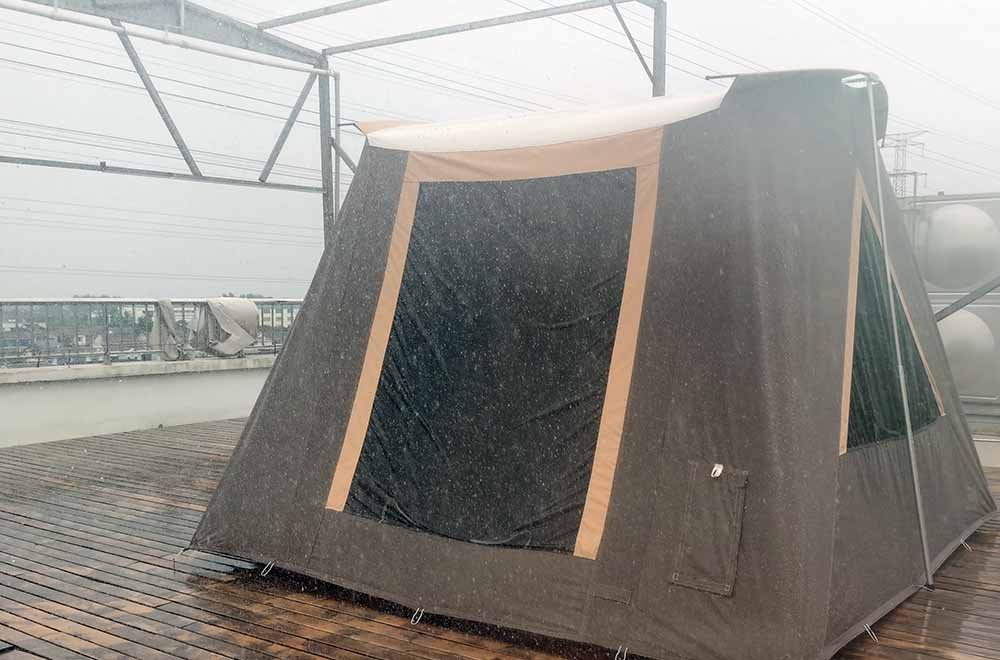
Water exposure can add another consideration. A zipper located where water may flow toward an opening may require a different approach from one in a more protected position.
Sometimes the Tent, Not the Zipper, Creates the Problem
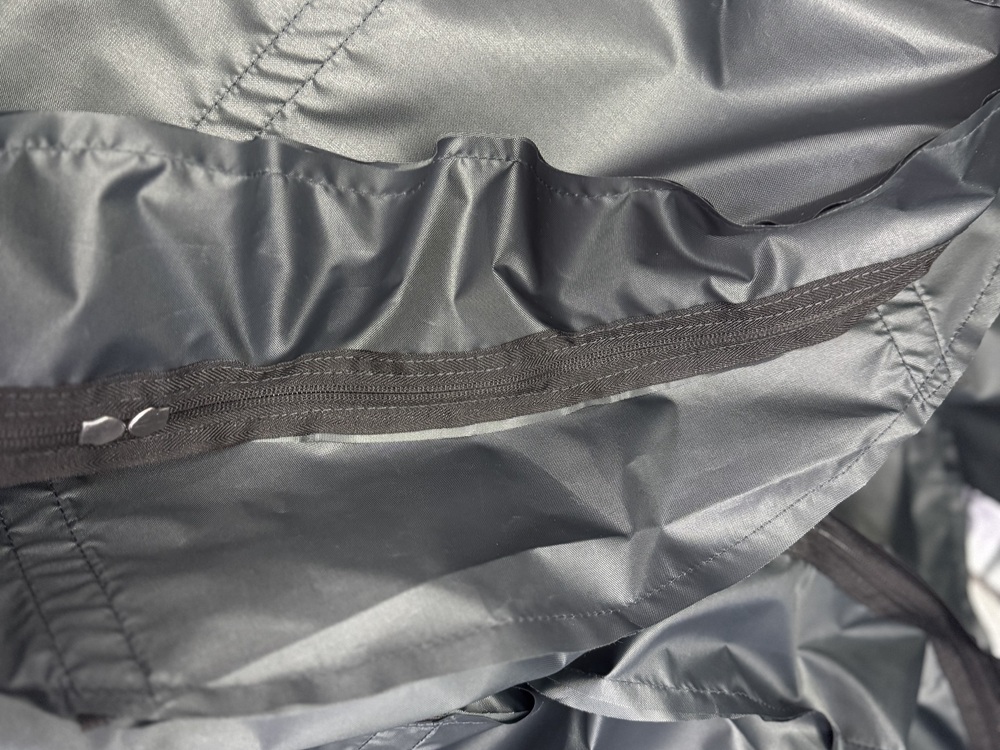
A zipper can meet the component requirement and still be difficult to operate after installation.
NastoCamp has encountered this during tunnel tent development. When the poles create too much tension in the tent structure, some zipper areas can become difficult to open and close.
Changing the zipper is not necessarily the solution.
Depending on the cause, the pattern may need to be adjusted. In some cases, the connection between the inner and outer tent can be lengthened to reduce tension around the zipper area.
Looking only at the zipper component would miss the actual cause.
The Sample Shows How the Zipper Works After Installation
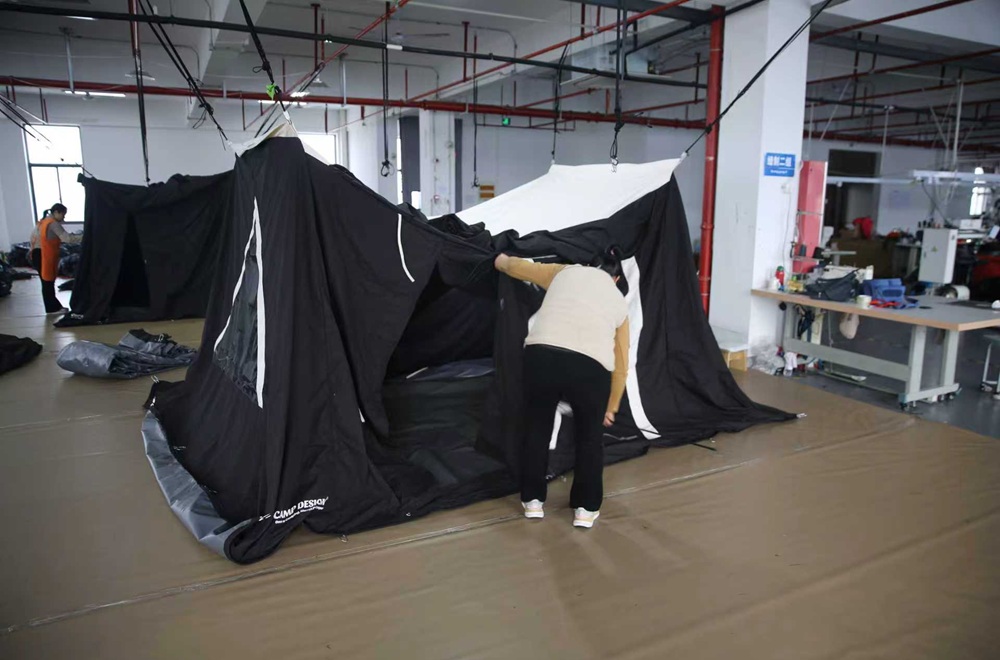
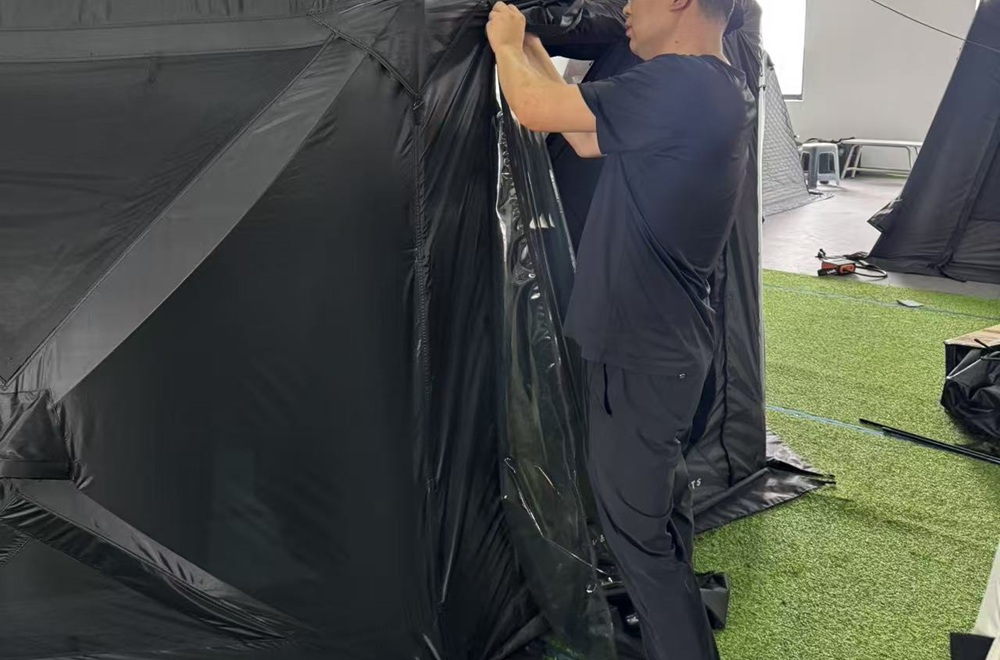
During sample development, NastoCamp checks how the zipper operates after it has been installed in the tent. This is one reason tent sample development matters before a specification is released for bulk production.
The team may find that the pattern makes the zipper area too tight or that the zipper is too long, causing the opening to arch instead of sitting as intended.
During waterproof testing of the sample, NastoCamp also checks whether water can enter around the zipper area, including through the zipper tape.
These checks take place on the tent, not only on the zipper as an individual component. A sample therefore helps confirm whether the selected zipper works with the structure that will actually be produced.
A Brand Requirement Can Still Leave an Application Question
In one project involving a relatively enclosed tent with a complex arrangement of doors and windows, the customer specified SBS zippers.
NastoCamp still had to consider how those zippers would work in the structure. Because of the potential water-ingress risk around the openings, NastoCamp recommended water-repellent zippers for the application.
This does not mean every enclosed tent requires a water-repellent zipper. In this project, the brand requirement and the application requirement were two separate decisions.
The Confirmed Zipper Still Has to Carry Into Bulk Production
Once the zipper has been confirmed through development and sampling, the bulk components still need to correspond to what was agreed.
For branded zippers, NastoCamp normally purchases through established sourcing channels. For unbranded zippers, comparison with the confirmed sample may include checks such as slider weight and zipper-tape weight per meter, depending on the project.
The same sample-to-production principle also applies to other confirmed materials and components during tent bulk production.
What Should an OEM Tent Buyer Actually Clarify?
An OEM buyer does not need to specify every zipper detail. Four questions are more useful:
- Which requirements are fixed by your product or brand?
Make mandatory requirements such as brand, color, logo or other specified characteristics clear. - Where will the zipper be used?
A main entrance, window or detachable section can have different application requirements. - What will the manufacturer determine from the tent itself?
This may include decisions based on the opening, tension, intended use and possible water exposure. - How will the zipper be confirmed in the sample and controlled in bulk?
The zipper needs to work after installation, and the confirmed component needs to carry into production.
A useful zipper specification gives the manufacturer the buyer’s fixed requirements without trying to replace the manufacturer’s application judgment. The remaining work is to select the component for the actual tent, verify it in the sample and keep the confirmed requirement consistent in bulk production.