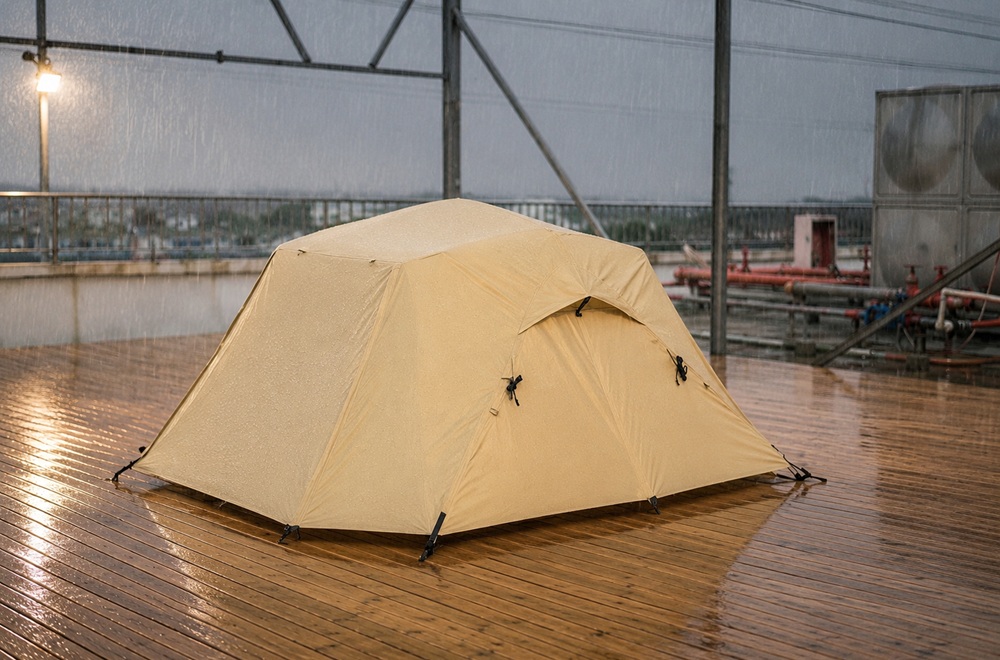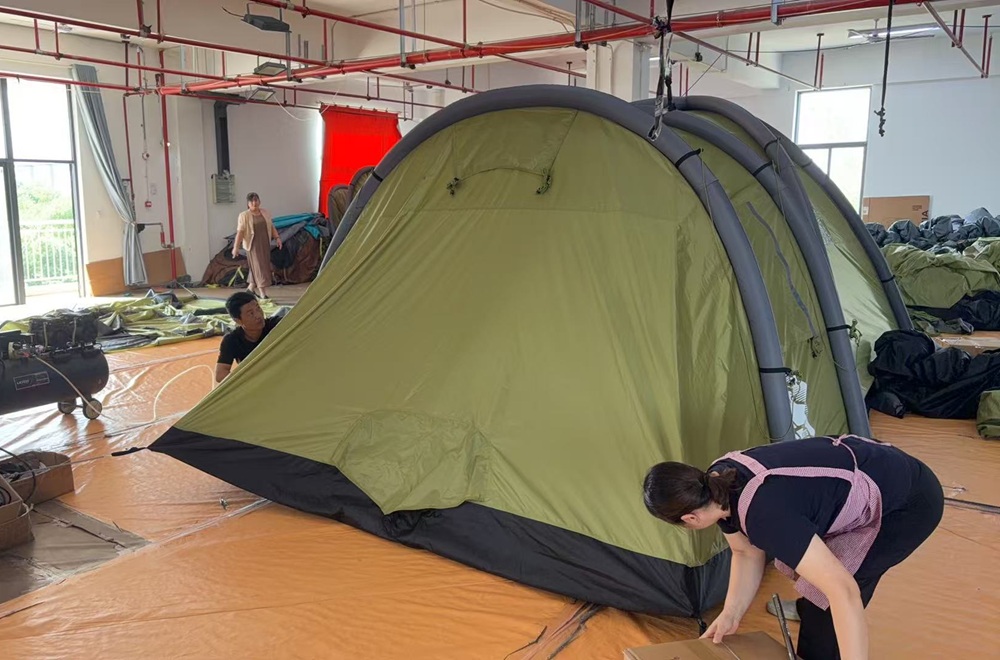
A buyer receives a tent sample, sets it up, checks the details and approves it for production. Does that mean everything about the tent has been confirmed?
Not necessarily.
In OEM tent development, the sample may be made with substitute fabric, or some accessories may differ from those intended for bulk production. The buyer can still approve the dimensions, shape and workmanship, while the final material specifications and performance requirements are confirmed separately.
At NastoCamp, customer approval of a development sample generally means the project can move toward material purchasing and production based on the agreed requirements. But that approval needs a clear scope.
The important distinction is between what the physical sample actually demonstrates and what has been agreed or verified through other evidence.
What Can You Confirm From a Physical Tent Sample?
Setting up a tent reveals things that are difficult to judge from drawings or specifications alone.
A buyer can measure the assembled dimensions, check the shape and internal space, examine the stitching, and see how the doors, windows and other components fit together. Zippers can be operated, accessories checked and construction details inspected.
The sample also gives the buyer an opportunity to judge whether the design works as intended.
For example, a sleeping area may match the dimensions originally requested but still feel too short when someone lies inside. The measurement is correct, yet the buyer may decide the design needs changing.
These are useful findings from a physical sample. They concern the tent’s actual dimensions, construction and observable use.
They do not, however, establish every material performance requirement. A fabric that looks and feels suitable cannot be assumed to meet a specified tear strength or waterproof rating simply because it has been used in an approved sample.
For a broader explanation of why this development stage matters, see our article on why tent samples matter in OEM development.
Why an Approved Sample May Not Use the Final Materials
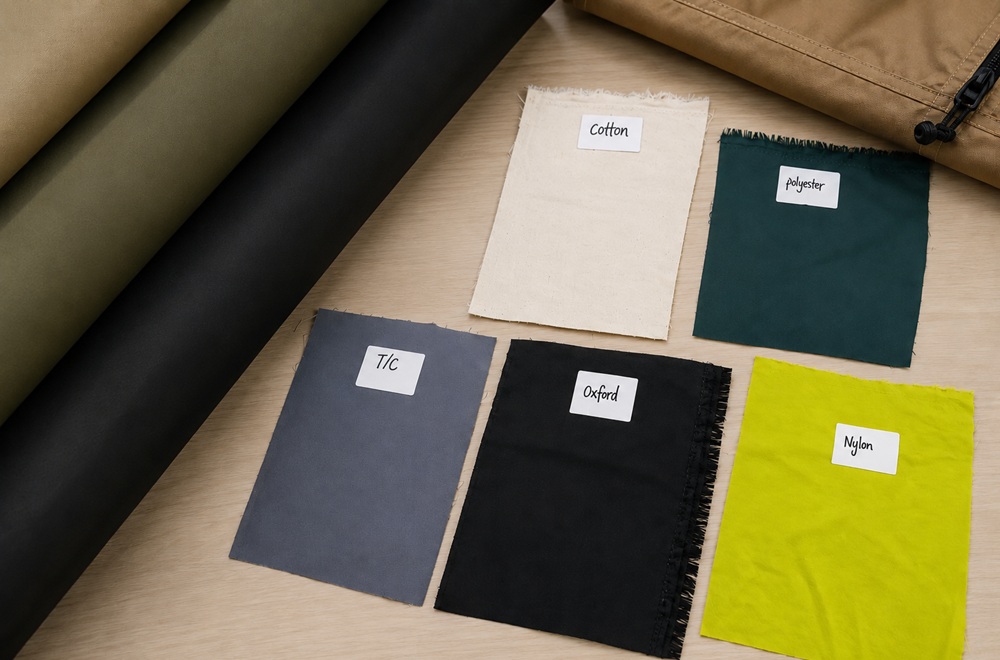
At NastoCamp, development samples are commonly made with substitute fabrics. This allows buyers to evaluate the tent’s pattern, dimensions, sewing details and overall construction without waiting for every final material to be available.
The sample’s fabric color may therefore be different from the color specified for bulk production.
In that situation, NastoCamp can send a small color swatch for separate approval. Bulk fabric is then purchased according to the buyer-approved color sample and the agreed material specifications.
Some accessories may also differ from the final requirements. Their color, size or specification may be confirmed separately rather than represented exactly in the first development sample.
This is why a buyer should know whether the sample represents the intended final materials or is being used mainly to confirm the design.
A substitute-fabric sample can still be useful for checking dimensions and visible workmanship. But fabric differences may affect how a tent hangs, stretches or behaves when assembled. Approval of the sample does not prove that the final fabric will perform identically.
The physical sample and the agreed production specifications therefore serve different purposes.
Which Requirements Need Separate Verification?
Some requirements can be evaluated directly from the sample. Others depend on evidence beyond what the buyer can see or feel.
Waterproof performance is one example. A buyer can inspect seam taping and the visible condition of the fabric, but that does not establish a specified hydrostatic-head rating.
The same applies to tear strength and other measurable fabric properties. Where these are specified, the relevant material specifications and appropriate test evidence are needed to establish whether the requirements have been met.
The distinction can be summarized as follows:
| Requirement | What the Physical Sample Can Show | What May Need Separate Confirmation |
|---|---|---|
| Dimensions and layout | Actual measurements, space and configuration | Revised dimensions after changes |
| Sewing and construction | Visible stitching, seams and assembly | Details not represented in the sample |
| Fabric color | Color of the sample fabric | Approved swatch when substitute fabric is used |
| Fabric performance | Appearance and observable condition | Agreed performance specifications and relevant testing |
| Poles and accessories | Installed components and their operation | Final specifications if different components will be used |
A buyer may approve the physical construction while separately approving a fabric color and relying on technical evidence for specified material performance.
All three decisions matter, but one does not automatically replace the others.
Does Every Change After Sample Approval Require Another Sample?
No. It depends on what the buyer wants to change.
At NastoCamp, changes to the tent’s dimensions or the addition of doors and windows generally require another sample for confirmation. Smaller adjustments, such as changing a color without altering the color arrangement, selecting a different zipper size or modifying a minor detail, may not require the whole tent to be remade.
Two situations from actual development work illustrate the difference.
Some buyers have found that a sleeping area originally designed at 210 cm feels too short after they set up or use the tent. They may ask for 220 cm or even 230 cm instead. Since the change affects the tent’s dimensions and construction, it is normally the kind of revision that requires another physical sample.
In another situation, a buyer used a mountaineering tent and found the pole strength or stability insufficient for the intended use. The buyer requested thicker poles.
A change in pole diameter does not necessarily require NastoCamp to manufacture another complete tent. However, deciding not to remake the tent is different from demonstrating that the revised pole specification meets the buyer’s requirements.
Where a change may affect structural performance, the buyer should clarify what further confirmation is needed rather than assuming the revised component has already been verified.
The point is not that some changes can be ignored. It is that confirming a modification and producing another complete sample are not always the same thing.
What Should a Buyer Clarify Before Approving the Sample?
Before giving approval, it helps to establish four things:
- What has been checked on the physical sample? Dimensions, layout, workmanship and other observable details should be distinguished from requirements that cannot be judged directly.
- Are any materials or accessories substitutes? If the sample does not represent the intended production materials, those differences should be clear.
- Which requirements are confirmed separately? These may include fabric colors, material specifications and performance evidence.
- What happens if the design changes? A revision may require another complete sample, or it may be possible to confirm the affected requirement separately.
A clear understanding of these points helps prevent the buyer and manufacturer from treating sample approval as confirmation of requirements that the sample was never intended to demonstrate.
Sample Approval Is About Knowing What Has Been Confirmed
An approved tent sample provides a reference for moving toward bulk production, but its approval should have a defined scope. Buyers need to distinguish the features confirmed through the physical sample from the materials, specifications and performance requirements established separately.
This helps both sides proceed with a clearer understanding of what has, and has not, been approved.
For buyers planning their next OEM project, learn more about NastoCamp’s OEM tent manufacturing services and how manufacturers approach keeping bulk production consistent with an approved sample.